How to Apply Double-Sided Tape to PVC: A Guide to Tape Application
1. Why Apply Double-Sided Tape to PVC?
PVC is widely used in construction, signage, and manufacturing. Many of these products require double-sided tape application to PVC for mounting, sealing, or assembling components.
Industrial applications demand specific tape placement, consistent pressure, and reliable surface adhesion. When relying solely on manual labor for repetitive production, facilities often face challenges such as alignment deviations, tape wrinkling, or unstable output rates. While not every PVC product requires stringent tolerances, scaling up production usually highlights the need for a more consistent application process.
2. Common Methods for Applying Double-Sided Tape to PVC
Different production environments require different approaches to tape application.
2.1 Manual Tape Application
Applying tape by hand is a straightforward method suited for small batches, custom samples, or facilities with low automation requirements. It requires minimal upfront equipment investment but relies heavily on the operator's skill for accuracy.
2.2 Semi-Automatic Tape Application
In a semi-automatic setup, an operator positions the material, and the equipment handles the repetitive actions of feeding and applying the tape. This method improves application consistency while retaining the flexibility of human oversight, making it suitable for varying product runs.
2.3 Automatic Tape Application
Fully automatic systems are built for continuous, highly repetitive tasks. These setups require less direct operator intervention per piece and are designed for high-volume production where uniformity and speed are the primary production goals.


3. How Does a Tape Applicator Apply Tape to PVC?
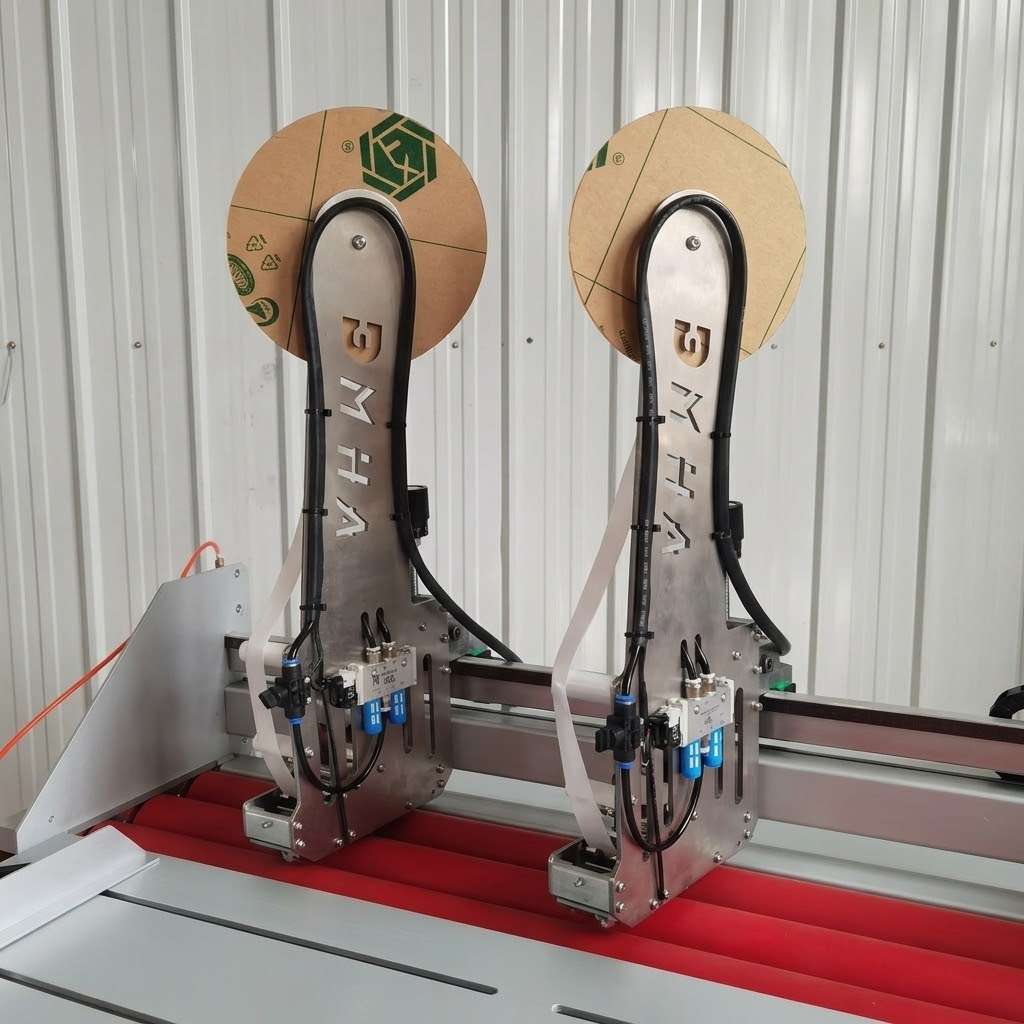
A tape application machine standardizes the taping process. While specific mechanisms vary by machine structure, material size, and tape type, the basic workflow generally follows these steps:
 Position the PVC material: The material is aligned on the machine bed or conveyor.
Feed the tape: The system unwinds and dispenses the tape.
Align the tape: The machine targets the required application position based on predetermined settings.
Apply the tape: Rollers press the tape onto the material surface for consistent application.
Complete and reset: The tape is cut, and the machine prepares for the next piece.
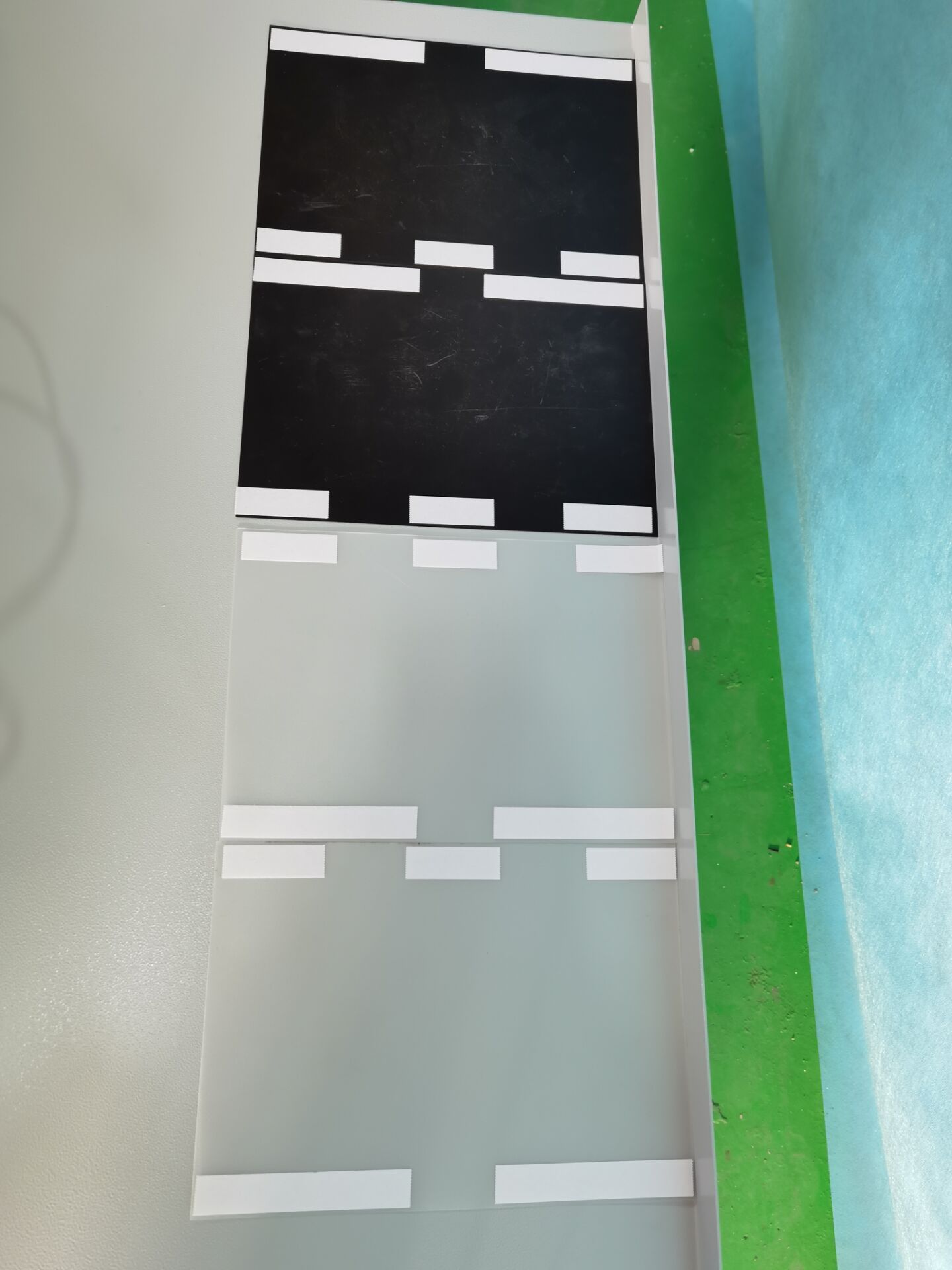
4. What Should You Consider When Choosing a Tape Applicator for PVC?
Selecting a PVC tape applicator depends on your specific product and operational needs.
4.1 PVC Material Size
The overall dimensions, particularly the width of your PVC product, dictate the physical size and capacity of the machine required.
4.2 Tape Type and Width
Equipment compatibility depends on the tape's width, thickness, and backing material.
4.3 Application Position
Whether the tape must be applied to the product's edge, down the center, or in multiple specific tracks will influence the tooling and positioning setup of the applicator.
4.4 Production Volume
Your daily output requirements will help determine whether a manual, semi-automatic, or fully automatic solution makes the most operational sense.
4.5 Product Shape and Surface
Flat PVC panels, curved extrusions, and irregularly shaped parts often require different feeding mechanisms and application rollers.

5. Tape Applicators for Different PVC Product Sizes
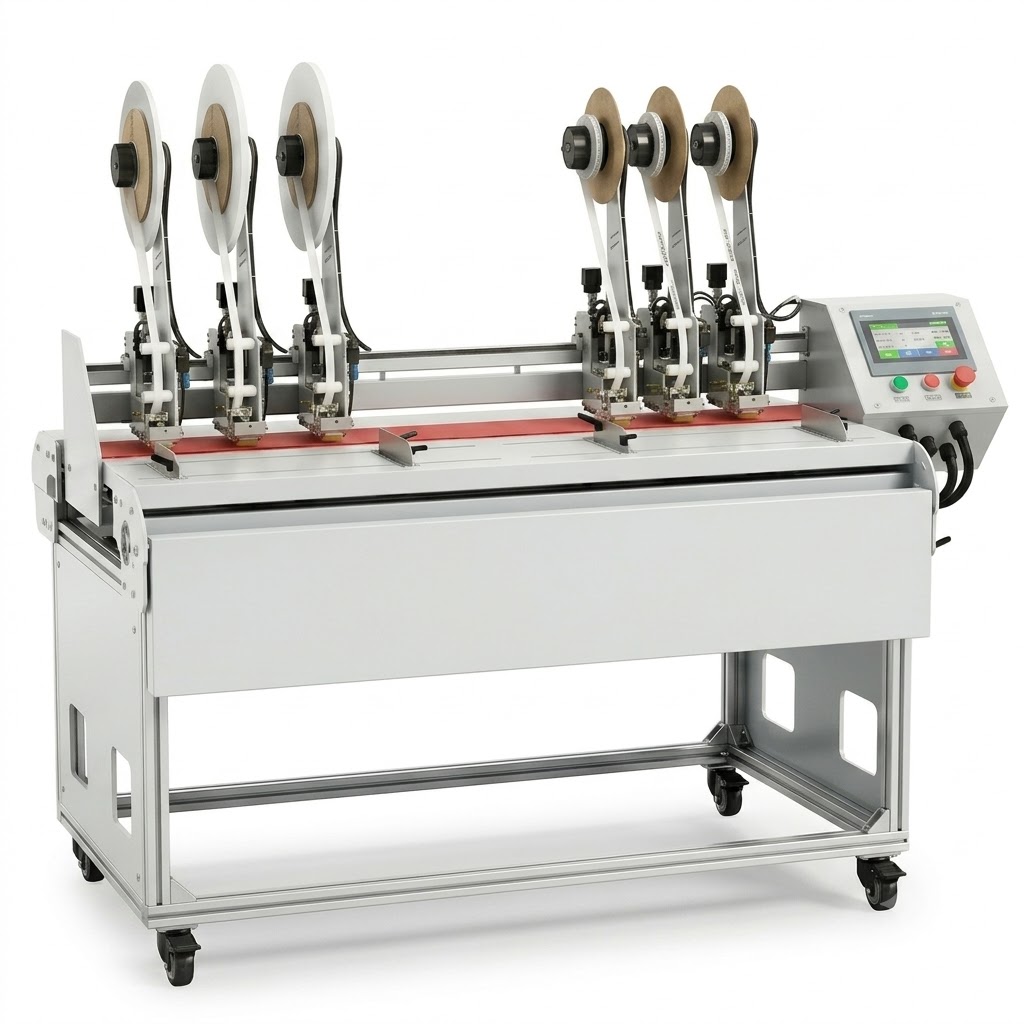
Choosing the right equipment often comes down to matching the machine's working width to your materials. The DMHA series offers options for various production dimensions:
⚙️DMHA-520: A semi-automatic tape applicator suitable for product widths from 90 to 500 mm. It is designed for applications requiring a relatively compact working width.
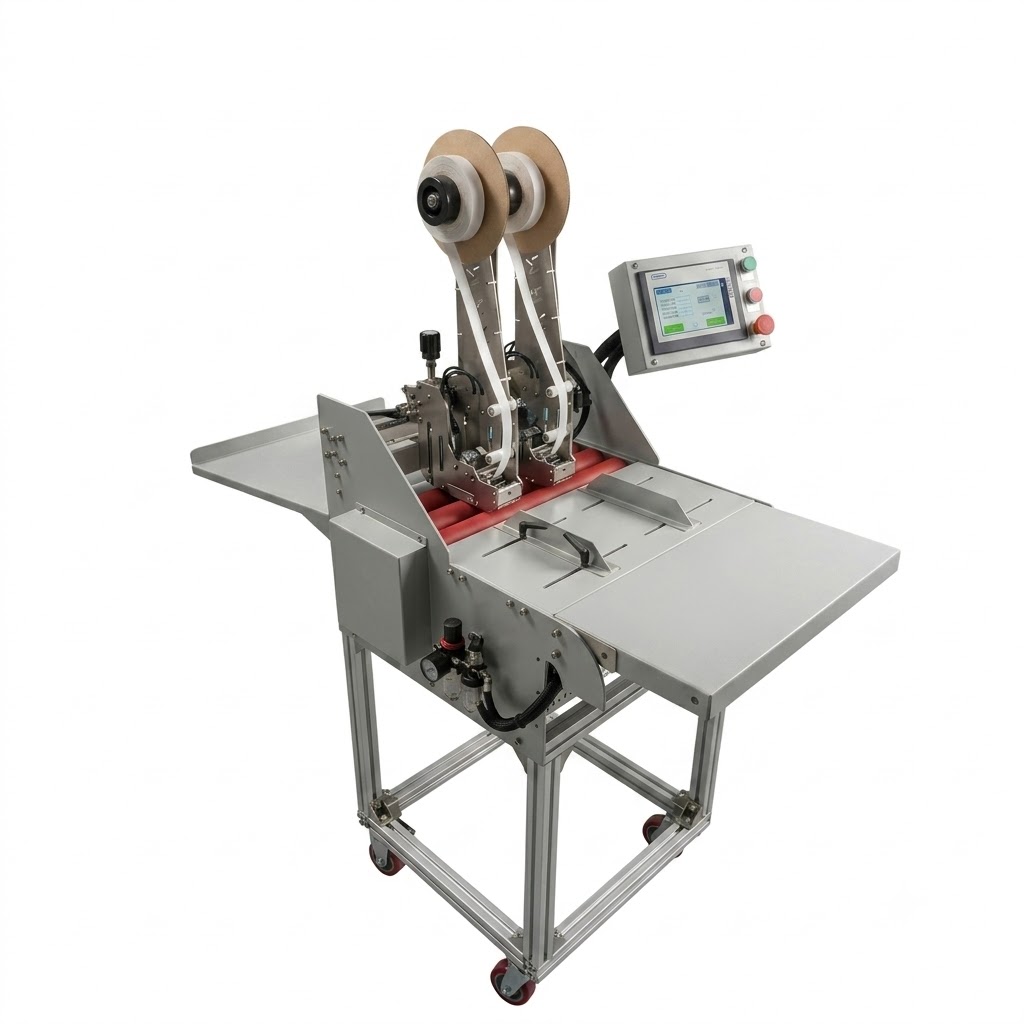
⚙️DMHA-A800: A fully automatic tape applicator suitable for product widths ranging from 100 to 800 mm. It features automatic material feeding and positioning, reducing the need for manual handling during the application process.
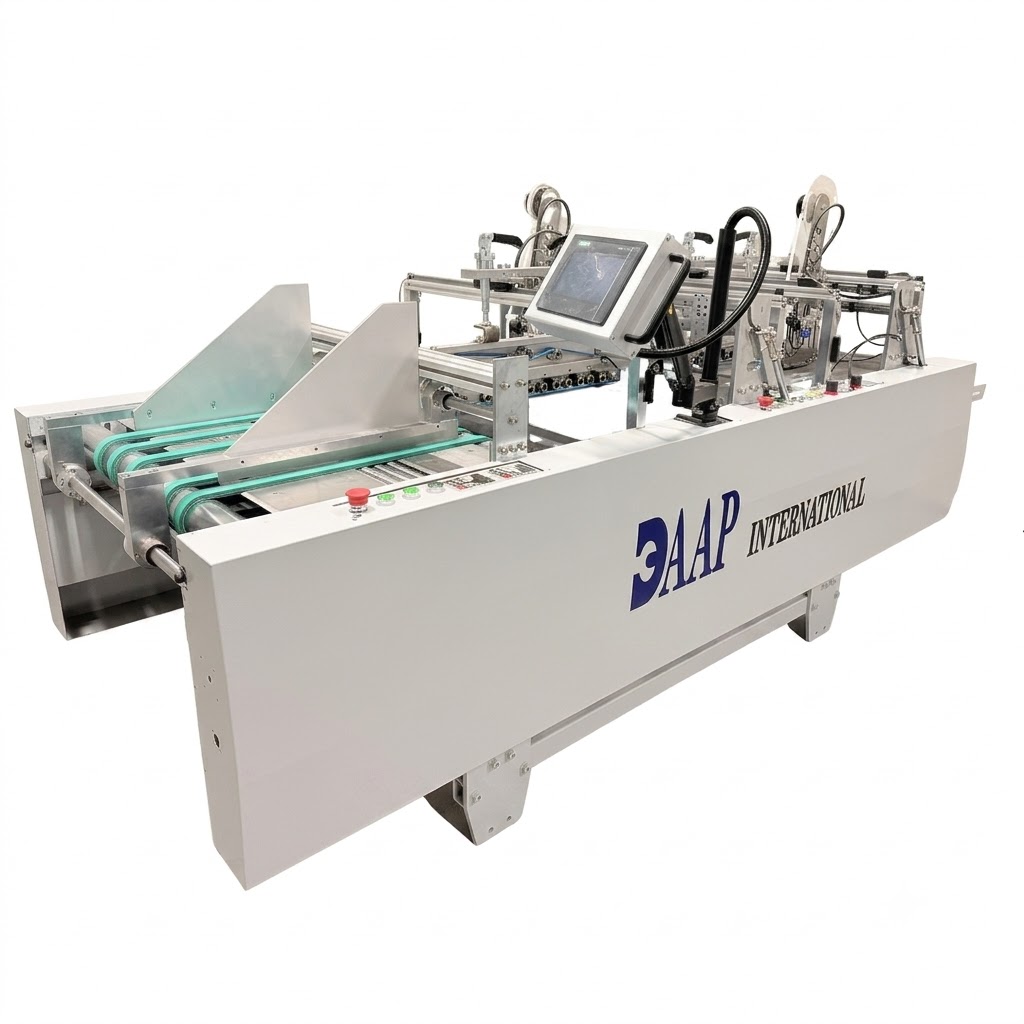
⚙️DMHA-1650: Suitable for wider materials, with a maximum product width of 1600 mm. The wider working dimensions accommodate large PVC products and panels.
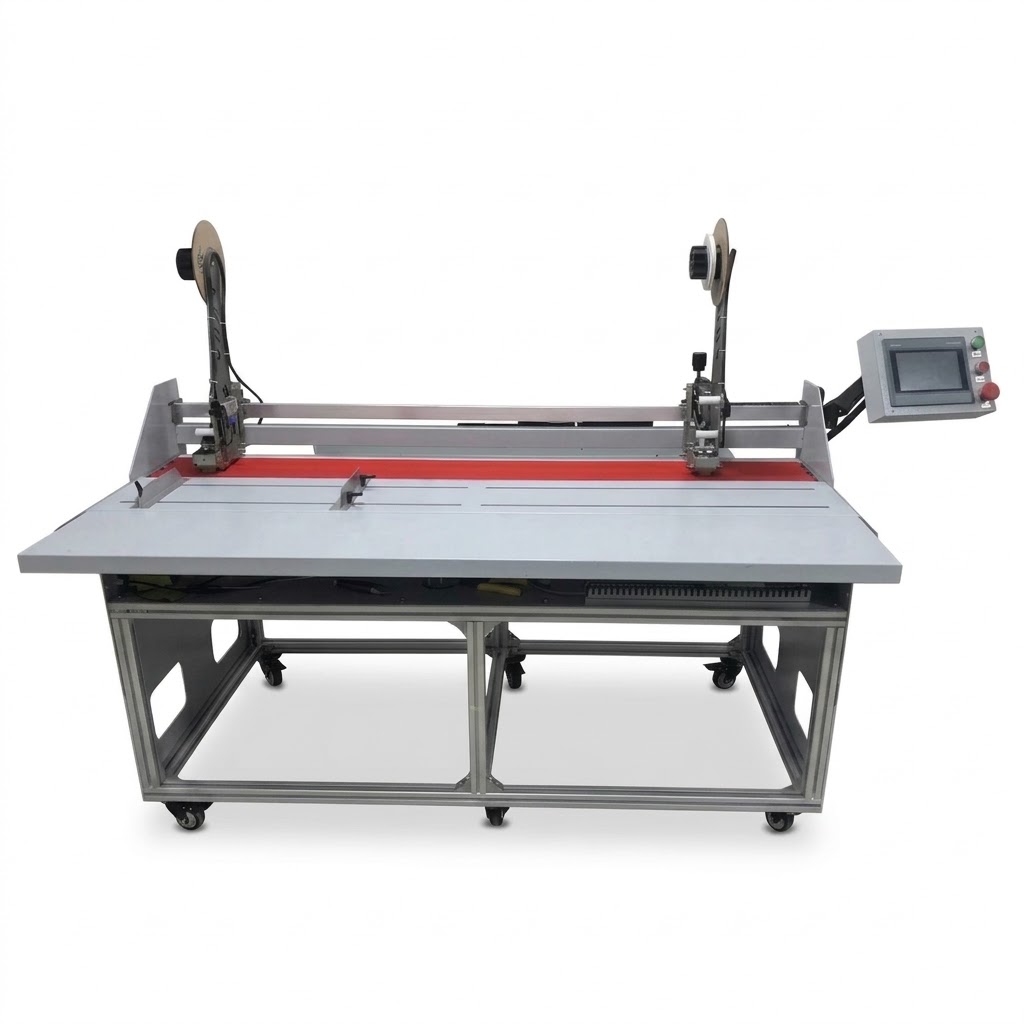
⚙️DMHA-1800: A semi-automatic tape applicator with a maximum product width of 1800 mm, engineered for ultra-large products requiring a wider application range.
6. Choosing the Right Tape for PVC Applications
There is no single tape that works for every PVC product. The right choice depends on the specific bonding requirements, the surface condition of the PVC, and the final environmental conditions the product will face. Common options include:
Double-sided tape
Foam tape
Transfer tape
Electrical tape
7. Manual vs. Semi-Automatic vs. Automatic Tape Application
Feature | Manual | Semi-Automatic | Automatic |
Production Volume | Low | Medium to High | High |
Operator Involvement | High | Moderate (Positioning) | Low (Monitoring) |
Application Consistency | Variable | High | High |
Flexibility | High | Moderate | Low (Requires setup time) |
Equipment Requirements | Minimal | Moderate | High |
8. Frequently Asked Questions
⚙️Can double-sided tape be applied to PVC?
Yes, double-sided tape is commonly applied to PVC for mounting, assembly, and sealing. Success depends on selecting a tape with an adhesive formulated for plastics.
⚙️What type of tape can be used on PVC?
Depending on the application, you can use double-sided film tape, foam tape, or transfer tape. The choice depends on surface texture, weight, and environmental exposure.
⚙️How can I apply tape evenly to PVC?
To achieve an even application without wrinkles or air bubbles, consistent pressure and straight alignment are required. A double-sided tape applicator ensures uniform pressure across the length of the material.
⚙️Can a tape applicator be used for large PVC products?
Yes. Machines like the DMHA-1650 and DMHA-1800 are specifically built to handle wide, large-format PVC panels and extrusions.
⚙️What information is needed to select a tape application machine?
Manufacturers typically need your material dimensions, tape specifications, desired placement, and daily production volume to recommend the appropriate equipment.
9. Conclusion
PVC products can be processed using manual, semi-automatic, or automatic taping methods depending on your facility's production demands.
Selecting the right equipment requires evaluating product size, tape specifications, placement accuracy, and expected volume.
There are specific tape applicators designed to handle everything from narrow profiles to wide-format PVC panels.
If you are currently evaluating a tape application solution for your PVC materials, our engineering team can help. Contact us with the following details to get started:
Product dimensions
Material information
Tape type and width
Required application position
Production requirements