Why We Don't Give Instant Quotes for Taping Machines
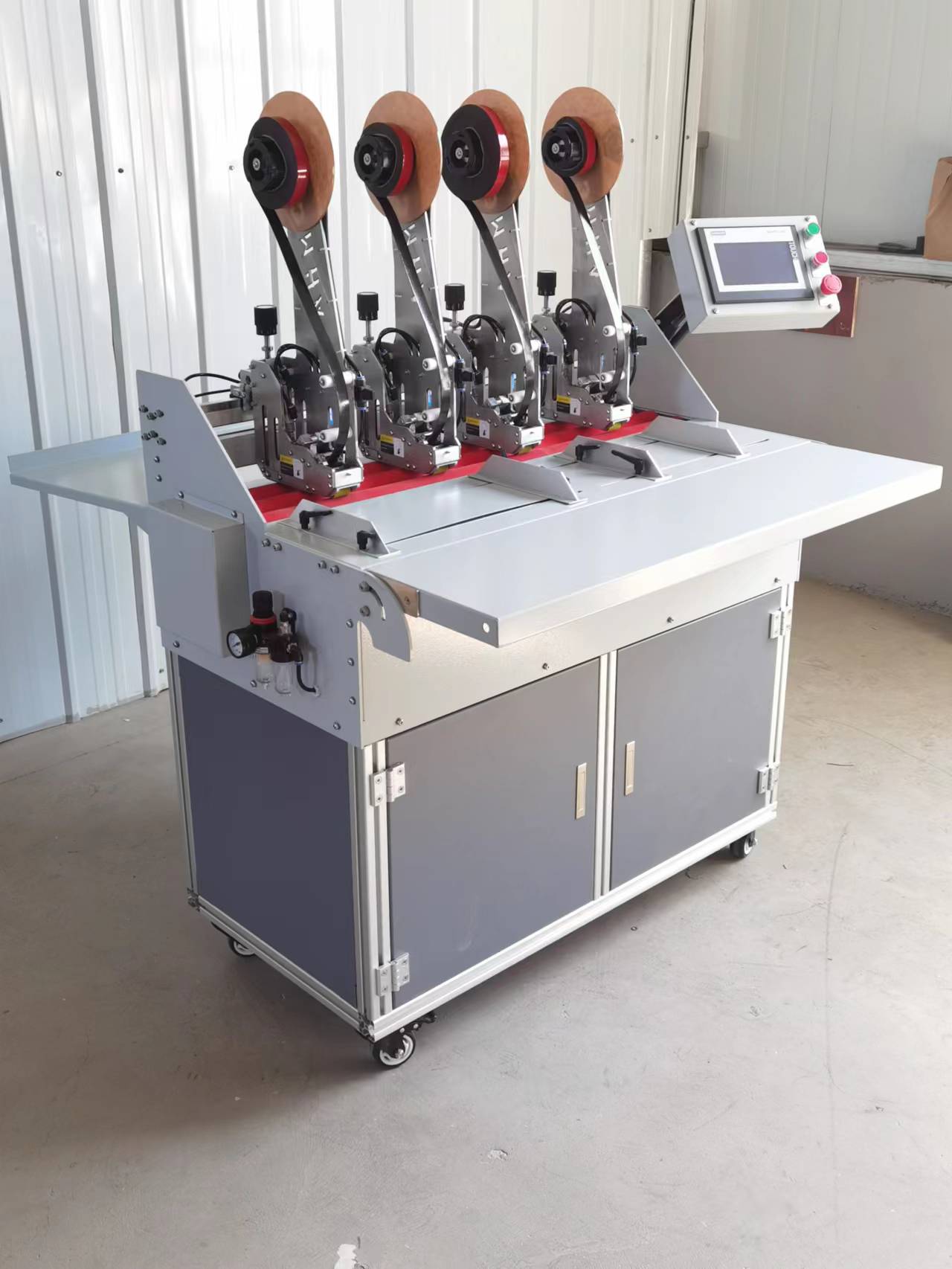 You send us an inquiry asking for the price of a taping machine. It’s a straightforward question, but we rarely give a straightforward number right away. Taping machines are often configured around the product, tape, production speed, and existing workflow. A machine that works well for one application may require a different configuration for another. Installing a standard machine without evaluating the production environment can lead to integration issues, inefficient workflows, or costly modifications later. Before talking numbers, we need to figure out exactly how this hardware will fit into your reality.

1. Matching the Machine to Your Line
We need the specifics: your production scale, the exact products running through, and your speed targets. A technical conversation upfront prevents expensive modifications later.
 Integration isn't automatic: We don't just ship a standalone unit and leave you to figure it out. The machine has to communicate with your existing automation. That means matching conveyor belt heights, dialing in speeds, and making sure it syncs with any robotic arms handling loading and unloading.
Handling irregular shapes: If your packaging is perfectly flat, standard guides work fine. But for irregularly shaped items or specialized boxes, standard parts won't cut it. We design custom jigs and fixtures to maintain consistent product positioning, ensuring accurate tape application even at high speeds.
2. Planning for Wear and Tear
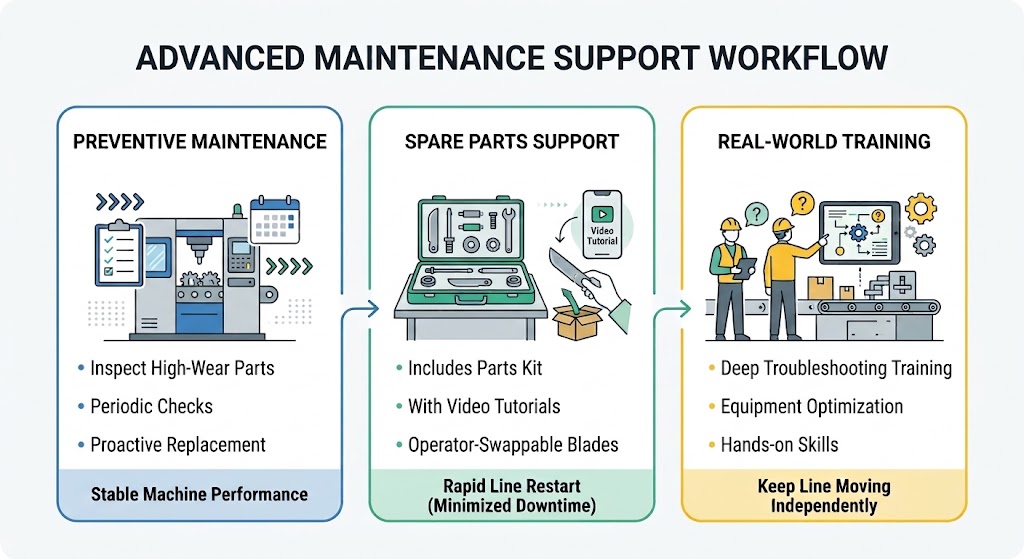
Downtime kills margins. Our setup process includes a plan for when things wear out—because in heavy manufacturing, they always do.
Preventive Maintenance Support: We skip the "run it until it breaks" model. Regular inspection of high-wear components is essential for maintaining stable machine performance. We remind customers to check components such as cutters, rollers, and springs periodically and replace them when necessary to help prevent unexpected downtime.
Spare Parts and Maintenance Support: Every machine ships with a standardized kit of high-wear parts. Paired with our video tutorials, your operator doesn't need to wait for a technician if a blade gets dull; they can swap it out and restart the line in minutes.
Real-world training: Handing over a manual isn't enough. We train your on-site engineers on deep troubleshooting and equipment optimization to keep the line moving without us.
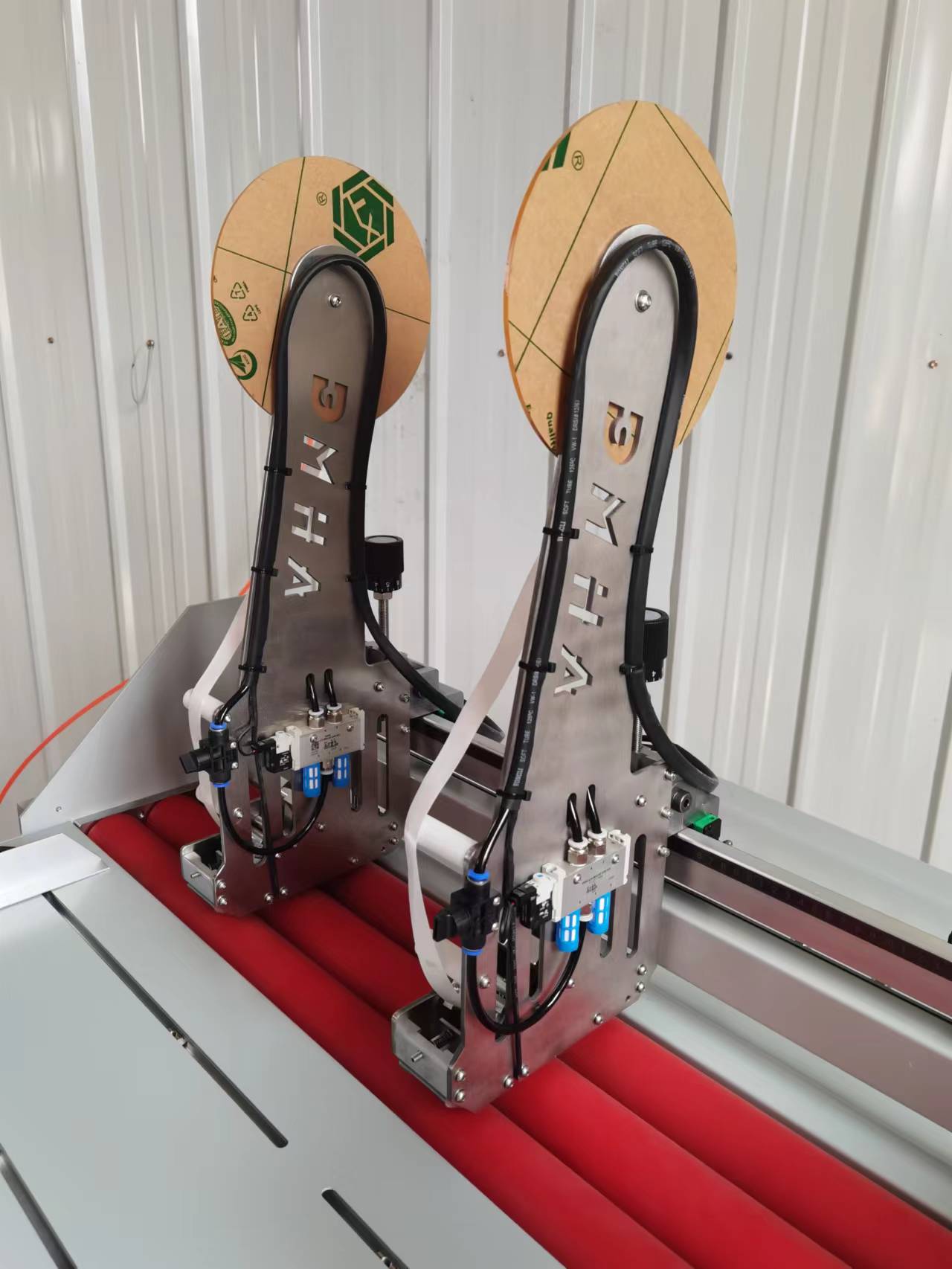
3. The Tape and Parts Supply
The physical machine is only half the job.
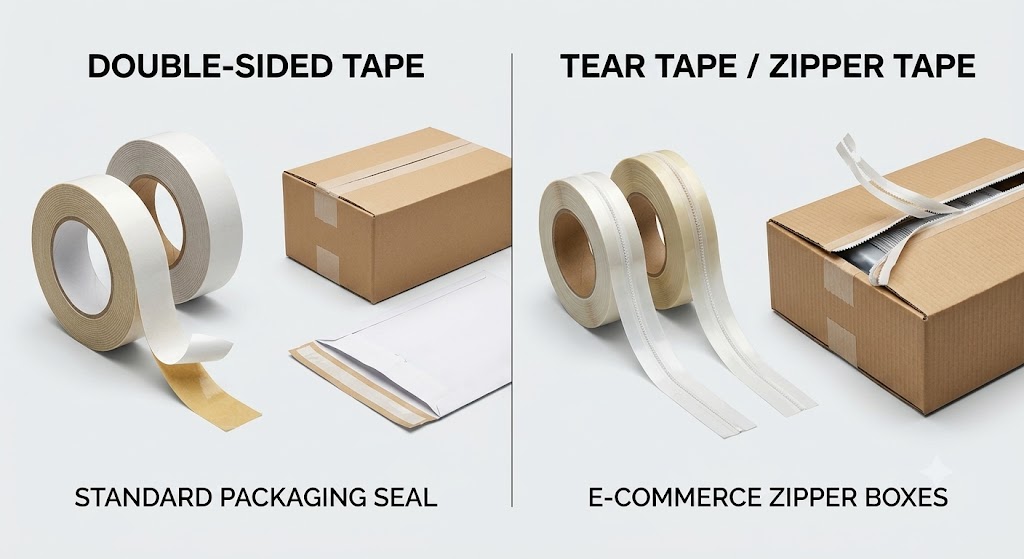
Hardware and tape compatibility: Tape characteristics can directly affect application quality and machine performance. Tape material, thickness, width, adhesive properties, and liner type should therefore be considered when configuring the machine. We supply—or strongly recommend—industrial tapes that we help ensure stable tape application and consistent production performance. It’s the most reliable way to guarantee a high yield.
An instant quote is easy to give, but it usually leads to a setup that doesn't quite work. We prefer to engineer a solution that fits from day one. Reach out to our engineering team, and let’s map out what your line actually needs.
Click here to get more information about DMHA-1060!