Why Everyone is Switching to Wire-O Binding: A Practical Guide for B2B Buyers
When a client opens your pitch book or product catalog, that first tactile impression sets the tone for the entire meeting. Compared to easily jammed plastic combs or stiff glued spines, Wire-O (double-loop wire binding) has become the default choice for businesses that care about presentation.
It solves a very real problem: how do you make a thick document look premium while keeping it effortlessly functional?


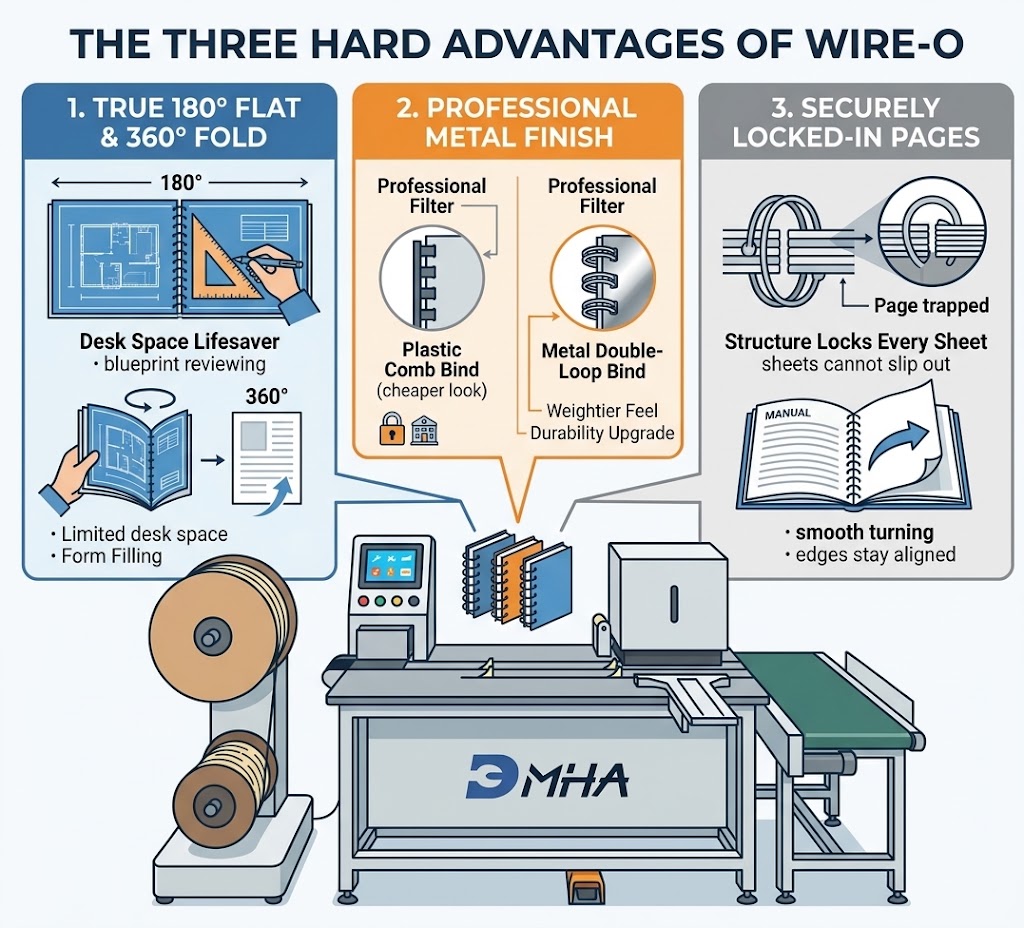
The Three Hard Advantages of Wire-O
Before we talk about equipment selection, let's look at why end-users specifically ask for this binding style:
True 180-Degree Lay-Flat & 360-Degree Fold
This is a hard requirement in many environments. When desk space is tight, being able to fold the book completely back on itself is a lifesaver. For filling out forms, reviewing blueprints, or taking notes, the lay-flat experience beats standard perfect binding hands down.
The "Professional Filter" of Metal
Let's be honest, plastic comb binding often looks cheap. Swap that for a metal double-loop wire, and even with a standard cover, the entire document instantly feels weightier, more durable, and undeniably professional.
Locked-In Pages That Actually Turn
There is nothing worse than pages falling out of a heavily used manual. The physical structure of Wire-O locks every single sheet in place. Pages turn smoothly, and the edges stay perfectly aligned even after months of heavy use.
Who is Actually Buying Wire-O Machines?
We've broken down the five biggest use cases driving equipment sales right now. See where your business fits:
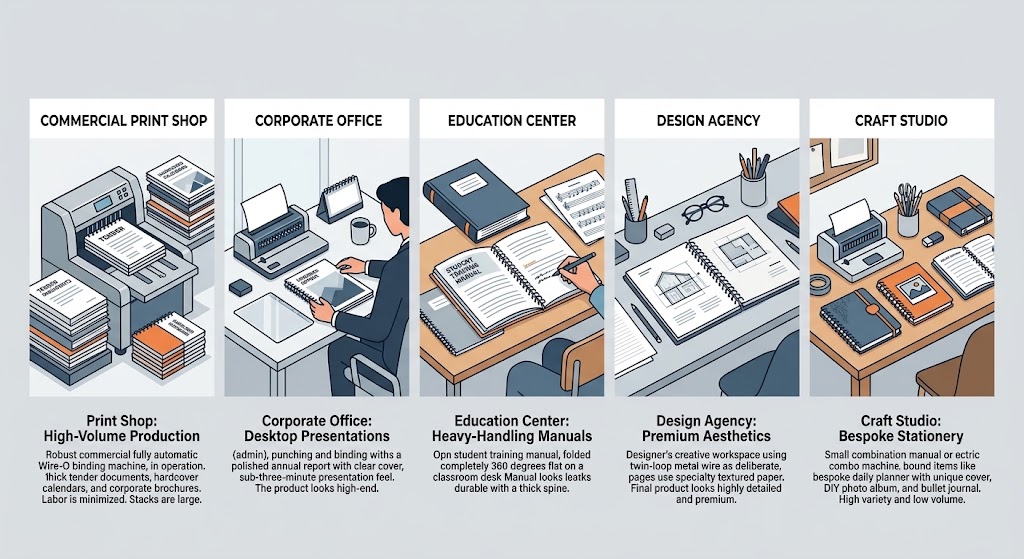
1. Print Shops & Commercial Printers (Fighting the volume battle)
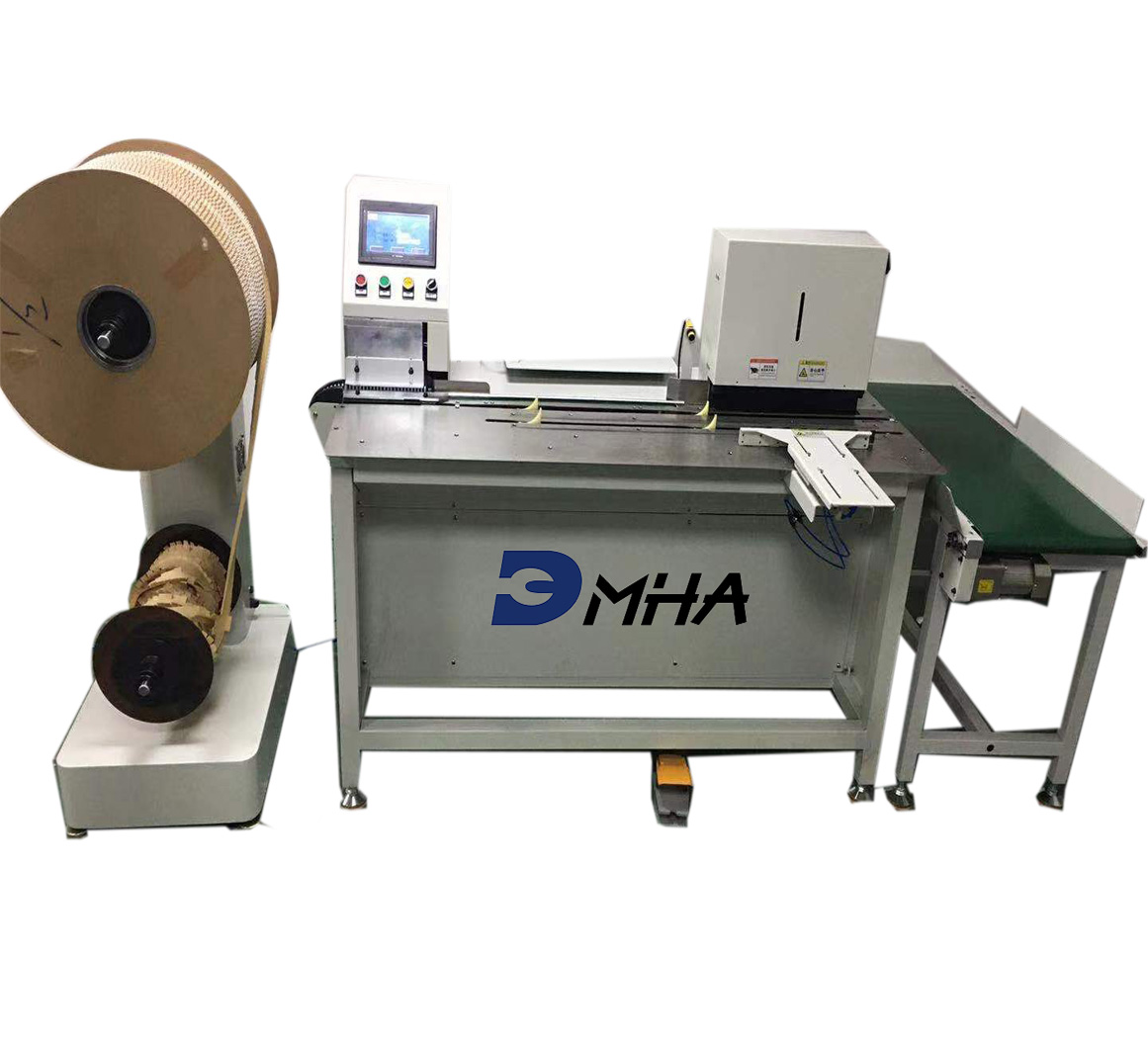
When you're dealing with tender documents, corporate brochures, or the year-end rush of hardcover calendars, efficiency is your profit margin. Relying on manual wire insertion for tight deadlines is a losing game. Bringing in a commercial-grade fully automatic or semi-automatic Wire-O binding machine is about slashing labor costs, minimizing errors, and eliminating bottlenecks when bulk orders hit.
2. Corporate & Financial Offices (Investing in the company's face)
Audit reports, pitch books, and annual reports represent your corporate brand. You don't need massive machinery here. A simple desktop electric wire binding machine gets the job done. An admin can punch and bind a highly polished, secure presentation in under three minutes, right at their desk.
3. Education & Training Centers (Built for heavy handling)
Internal training manuals, student portfolios, and sheet music take a beating. They also require constant note-taking. That 360-degree fold is a killer feature here—students don't have to wrestle with a stiff book spine; the manual just lays flat so they can write.
4. Design & Ad Agencies (Obsessing over visual delivery)
For brand identity (VI) manuals, high-end restaurant menus, or architectural plans, designers are picky about finishing. The metal twin-loop wire acts as part of the design language itself. Pair it with specialty textured paper, and you preserve the exact premium feel the designer intended to deliver.
5. Custom Stationery & Craft Studios (Agile, low-volume margins)
The market for bespoke daily planners, DIY photo albums, and bullet journals is booming. It's a high-variety, low-volume game. You don't need maximum output—a compact manual or electric punch-and-bind combo machine handles this perfectly. It’s a low-cost investment that easily pays for itself after just a few batches.
The Buying Guide: Don't Overspend, Just Buy Right
Wire binding machines range from fifty bucks to tens of thousands. How do you choose? Look strictly at your daily volume:
Occasional Use (Small office)
Stick to a desktop model with manual punching and a manual wire closer. It’s cost-effective, takes up almost no space, and handles a few books a day without breaking a sweat.
The Daily Workhorse (Mid-volume / Print shops)
Step up to a medium-sized machine, but make sure it features electric punching. Manual punching destroys operators' wrists over time. Electric punching paired with a manual or electric closer speeds up your turnaround dramatically.
The Assembly Line (Industrial printers)
Look straight at industrial-grade equipment with fully automatic wire inserting and closing. At this level, you are paying for the machine to buy you time and raw capacity.
The One Spec That Trips People Up:Pitch
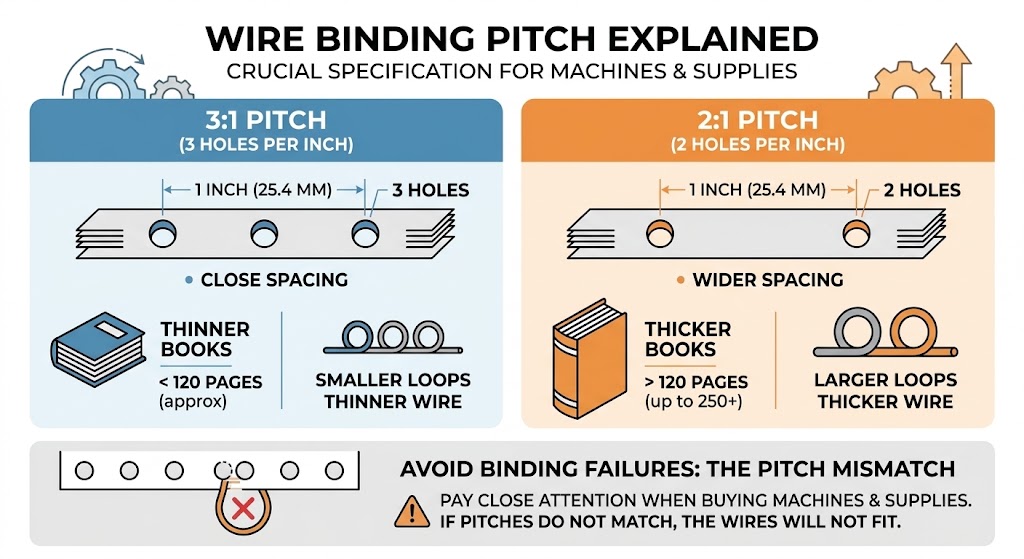
When buying machines or wire supplies, you have to pay attention to the hole pitch.
3:1 Pitch (3 holes per inch): Best for thinner books (usually under 120 pages).
2:1 Pitch (2 holes per inch): Mandatory for thicker books (over 120 pages, up to 250+). It uses thicker wire and larger loops. Buy the wrong pitch, and your wires simply won't fit the punched holes.
Whether you need to speed up your print room or just want to hand clients a better-looking proposal, upgrading to a Wire-O machine is a low-risk, high-reward move.
If you are evaluating which model makes the most sense for your current volume, don't just guess. Click here to reach out directly to our equipment experts. Tell us what you're binding and your rough daily output, and we’ll give you a straight-talking recommendation and a custom quote.