Top 5 Mistakes to Avoid When Buying a Taping Machine
Introduction
 In today’s fast-paced global packaging industry, the demand for automation and operational efficiency has reached unprecedented heights. Whether you are processing e-commerce corrugated boxes, custom document envelopes, or retail packaging, upgrading your production line with the right tape application equipment is critical. However, buying the wrong taping machine will not only waste your capital budget but can also lead to frequent production bottlenecks, wasted materials, and stalled assembly lines.
To help global packaging plants, commercial printing houses, and e-commerce fulfillment centers make informed and highly profitable investment decisions, this article reveals the top 5 fatal mistakes buyers make when sourcing a taping machine—and provides professional advice on how to select the perfect equipment for your facility.

Mistake 1: Choosing the Wrong Automation Level
One of the most common pitfalls buyers fall into is a mismatch in automation. Some buyers blindly pursue fully automatic taping machines, resulting in severe budget overruns for features they don't need. Conversely, others try to cut initial costs by purchasing semi-automatic models, only to find that their production capacity severely lags behind customer demand.
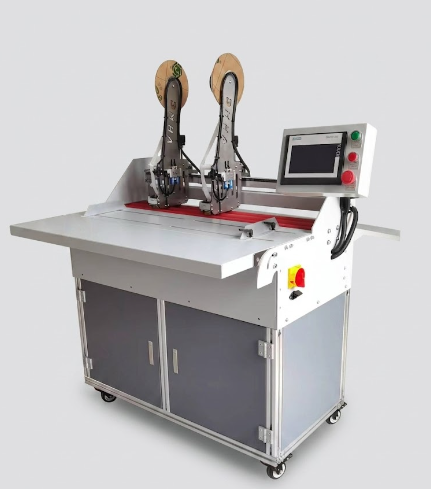
 Semi-Automatic Taping Machines: These are highly flexible and ideal for short runs, custom orders, or facilities that process multiple product varieties with frequent size changeovers. They offer quick setup times and are cost-effective for smaller volumes.
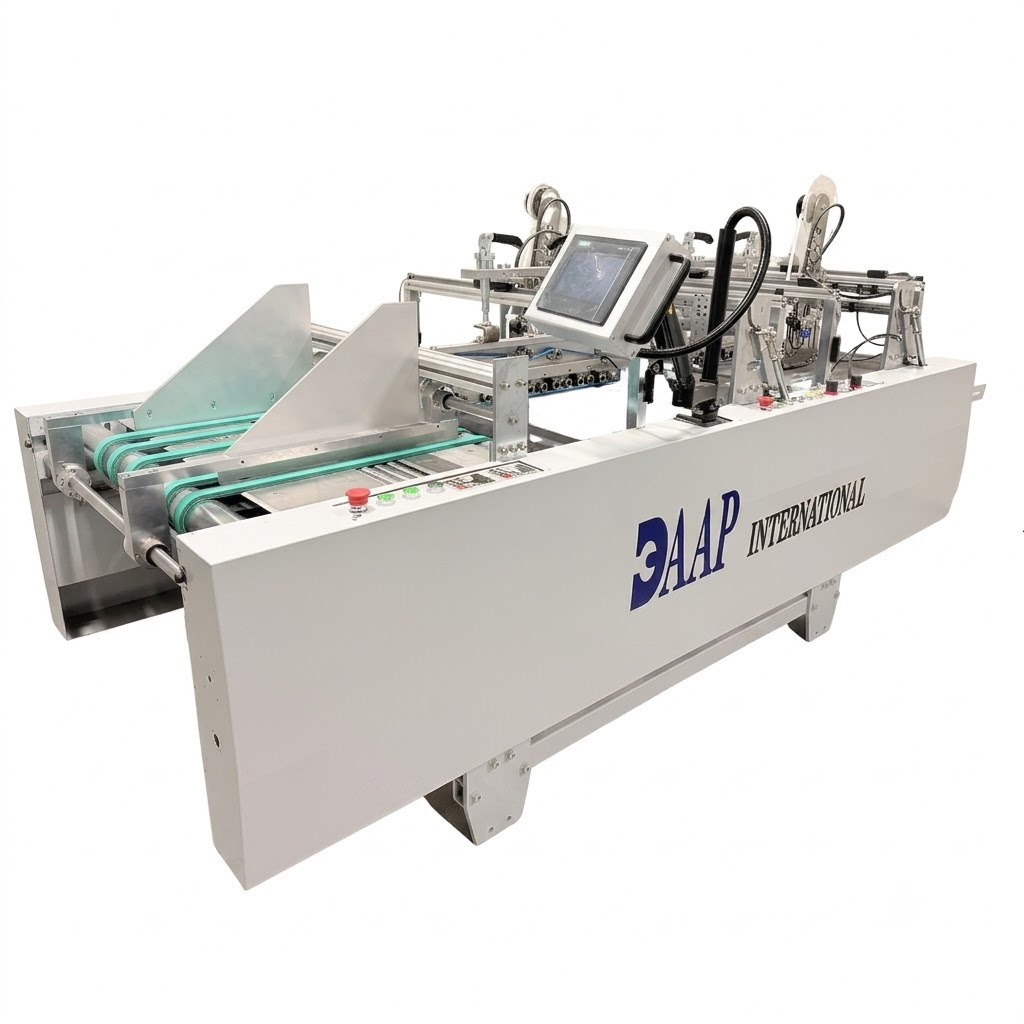 Fully Automatic Taping Machines: These are engineered for standardized, large-volume, continuous runs. If you are producing massive quantities of standard courier boxes, express envelopes, or folding cartons, a fully automatic system is mandatory to keep labor costs down and output high.
Pro Tip: Evaluate your daily tape application volume and calculate your targeted Return on Investment (ROI). Match the machine’s automation level to your specific daily output requirements rather than industry hype.


Mistake 2: Ignoring Material Compatibility
Many buyers operate under the false assumption that a single taping machine can perfectly process all types of paper and board. This often leads to frequent paper jams, double-sheet feeding, or poor tape adhesion when switching substrates.
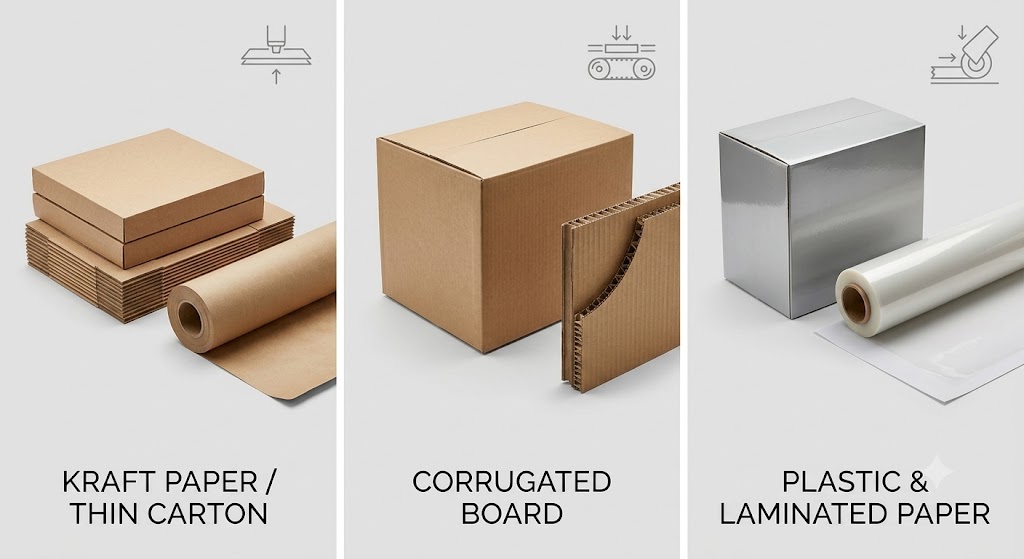
Thin Cartons & Kraft Paper: Lightweight materials require a highly precise feeder system. Look for machines equipped with advanced friction or vacuum feeders to prevent double-sheet feeding and ensure perfect alignment.
Corrugated Board: Thick, heavy-duty corrugated cartons require equipment with enhanced traction belts and superior pressing mechanisms. The machine must maintain stable pressure to ensure the thick materials run smoothly without skewing.
Plastic & Laminated Paper: Glossy or UV-coated surfaces are notoriously slippery. Ensure the taping machine features anti-slip conveyor belts and can apply sufficient pressure so that the tape bonds securely to the smooth surface.

Mistake 3: Underestimating Machine Format and Size Limits
It is a crucial error to solely focus on your current processing needs while ignoring future business expansion. A machine that fits today’s standard boxes might not accommodate large-format display posters or ultra-small custom inserts tomorrow.
Before making a purchase, strictly define the Max and Min Sheet Sizes the machine can handle. Furthermore, take a holistic look at your production floor. The maximum format of your taping machine should perfectly match the output format of your existing die-cutting or printing machines. This guarantees a seamless transition between the pre-press, printing, and post-press finishing stages without creating a workflow bottleneck.

Mistake 4: Overlooking Tape Compatibility (Double-sided vs. Tear Tape)
Another frequent buyer remorse occurs when the equipment arrives, and the factory realizes the machine only supports standard double-sided tape, lacking the capability to apply tear tape, or failing to apply multiple strips simultaneously.
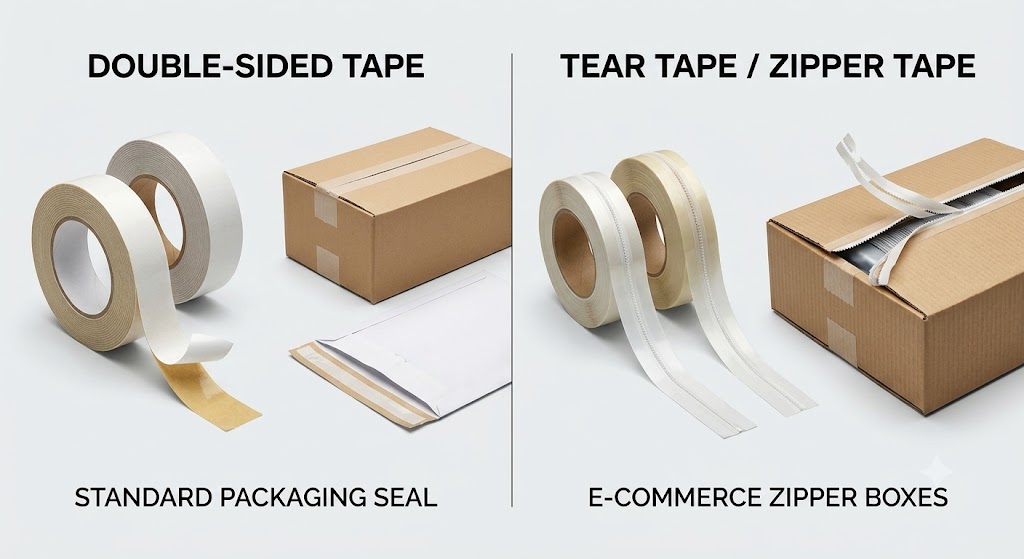
Double-Sided Tape: This is the standard requirement for standard courier boxes, document bags, and commercial envelopes.
Tear Tape / Zipper Tape: With the boom in e-commerce, frustration-free zipper boxes (corrugated courier boxes with a tear strip) are in massive demand.
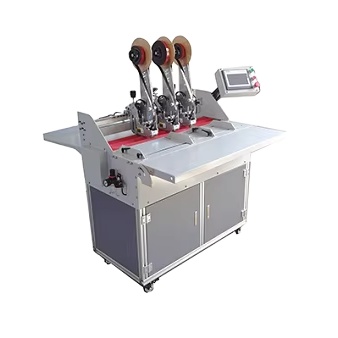
Pro Tip: Future-proof your investment by choosing equipment that supports modular upgrades. Look for taping machines that can be equipped with 2 to 4 independent
Tape Applicator Heads. This allows your operators to apply both double-sided tape and tear tape simultaneously in a single pass, drastically multiplying your production speed.

Mistake 5: Buying from Middlemen Instead of Experienced Manufacturers
In the B2B machinery market, buyers are often tempted by the surface-level cheap prices offered by trading companies or middlemen. Unfortunately, this usually comes at the ultimate cost of long-term machine stability, poor after-sales support, and a lack of overseas replacement parts.
Partnering directly with a source manufacturer is the safest route for industrial hardware. Source factories with over a decade of manufacturing experience—like DAAP Machinery—deliver equipment where the mechanical stability, software integration, and craftsmanship details far exceed standard market offerings.
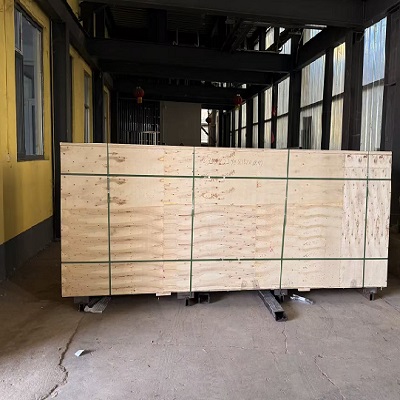
Furthermore, an excellent source manufacturer understands the complexities of international trade. They will provide professional, standardized container loading and transport services to ensure heavy industrial machinery arrives across borders safely and undamaged. Most importantly, a direct manufacturer offers comprehensive B2B remote technical support, video troubleshooting, and direct access to spare parts, ensuring your production line never stays down.


Conclusion
By avoiding these five common sourcing mistakes—matching your automation needs, ensuring material and tape compatibility, planning for size formats, and buying direct from a trusted manufacturer—your packaging production line will experience a massive leap in efficiency and profitability.
Are you looking for a highly reliable, high-speed taping machine to upgrade your factory? DAAP Machinery has specialized in manufacturing premium tape applicators and industrial hardware for over 10 years.
Contact us today to get our latest 2026 product catalog and receive a customized equipment configuration plan tailored specifically for your production needs!

What is a Tape Applicator Machine?
FAQs
Q1: What kinds of tape are compatible with the machine?
A: The equipment supports the automated application of multiple industrial and packaging tapes. This includes standard double-sided tape, tear tape, kraft paper tape, and specialized options like 3M electrical tape. Equipped with adjustable tension control and precision application rollers, the machine ensures bubble-free, anti-deviation tape application regardless of tape viscosity or thickness.
Q2: Can the machine process oversized or extended-length materials?
A: Yes, absolutely. For special material dimensions—such as extra-long wooden boards or oversized corrugated boxes—we provide flexible hardware customization. We can equip the machine with customized extended feed boards and receiving boards to ensure that long materials remain perfectly horizontal, aligned, and stable throughout the entire taping process.
Q3: Do you provide customized solutions and overseas technical support?
A: Yes, we have extensive experience in global delivery and non-standard customization, allowing us to tailor the machine to your specific production process (such as adjusting guiding structures for unique PVC materials or non-standard tape widths). We have successfully delivered customized solutions to international manufacturers in regions like Turkey and New Zealand. To ensure smooth operation at your facility, we provide comprehensive English operation manuals, step-by-step video tutorials, and reliable remote technical support.