From Cardboard to Transparent PVC: A Multi-Material Precision Taping Solution
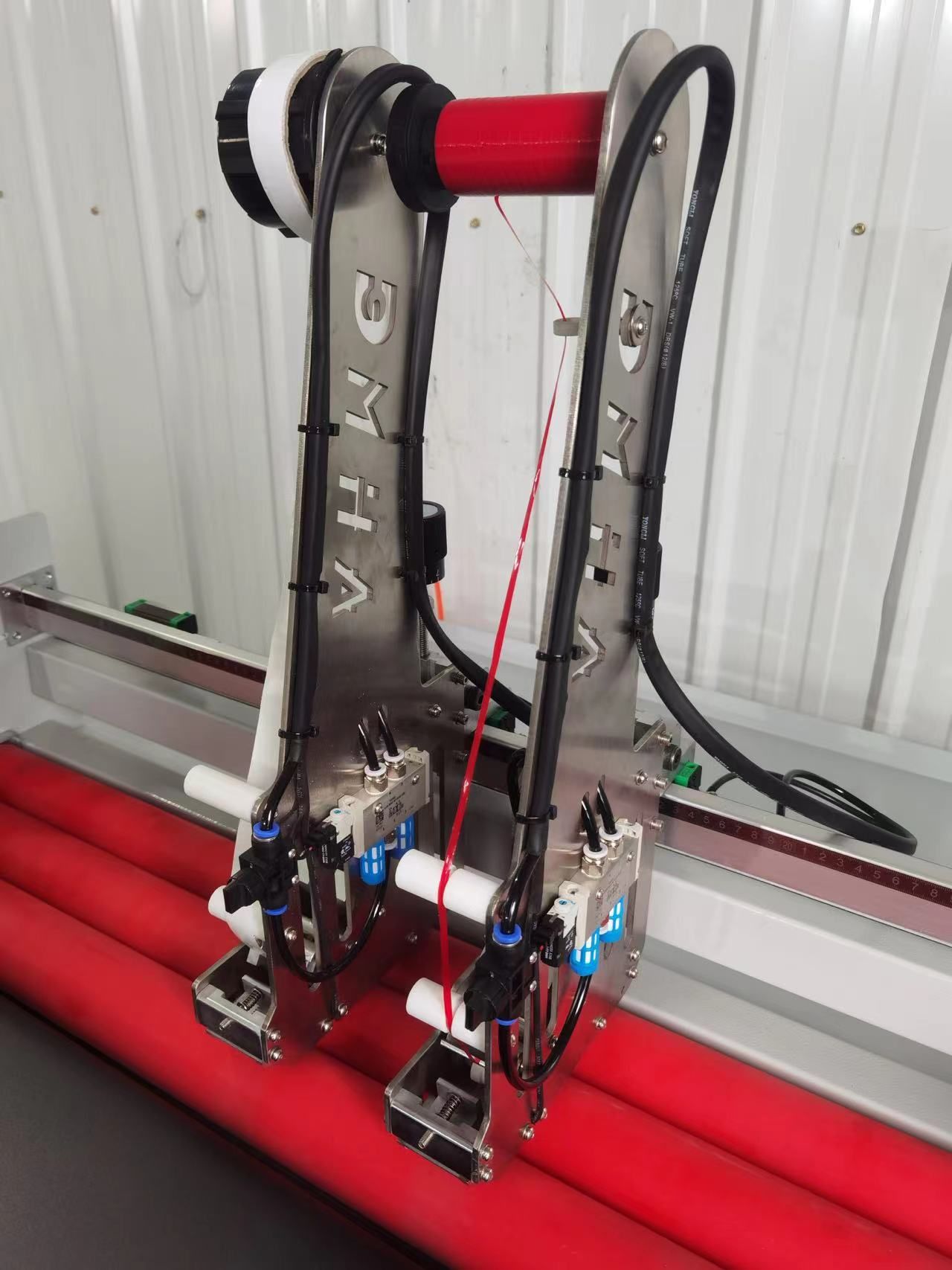 Throw corrugated cardboard, acrylic sheets, and transparent PVC onto the same production line, and you’ll quickly realize one thing: tape behaves differently on all of them. Thickness, friction, and flex vary wildly from one substrate to the next. If your equipment treats a slick plastic film the same way it treats rigid cardboard, you are going to face feeding jams and misaligned tape.
The real test of an industrial tape applicator isn't just dispensing adhesive. It’s maintaining absolute control over the substrate—ensuring stable feeding and accurate tape placement—no matter what material is moving through the machine.
 Why Different Materials Affect Tape Application
You can't force a one-size-fits-all approach on diverse substrates. The physical traits of the material dictate exactly how the machine needs to handle it.
🌐Material Thickness
Thick corrugated board and thin plastic films demand completely different handling dynamics. If the feeding mechanism can’t adapt its grip to advance varying gauges consistently, the tape simply won't land in the same spot twice. Stable transport is the baseline for consistency.
🌐Surface Friction
Try moving acrylic or PVC across a conveyor—it’s slick. Corrugated board, on the other hand, is textured and catches easily. If the machine doesn’t account for this difference in surface friction, smooth materials will slip out of alignment, while rough ones will drag and skew.
🌐Rigidity and Flexibility
Cardboard fights back with structural rigidity. Thin plastic packaging just yields. The equipment has to hold flexible items under enough tension to prevent buckling and folding, without crushing the more rigid components.

Tape Applying Machine Applications Across Different Materials
Taking a closer look at tape applying machine applications across different sectors shows exactly why substrate control is non-negotiable.
🌐Corrugated Boxes
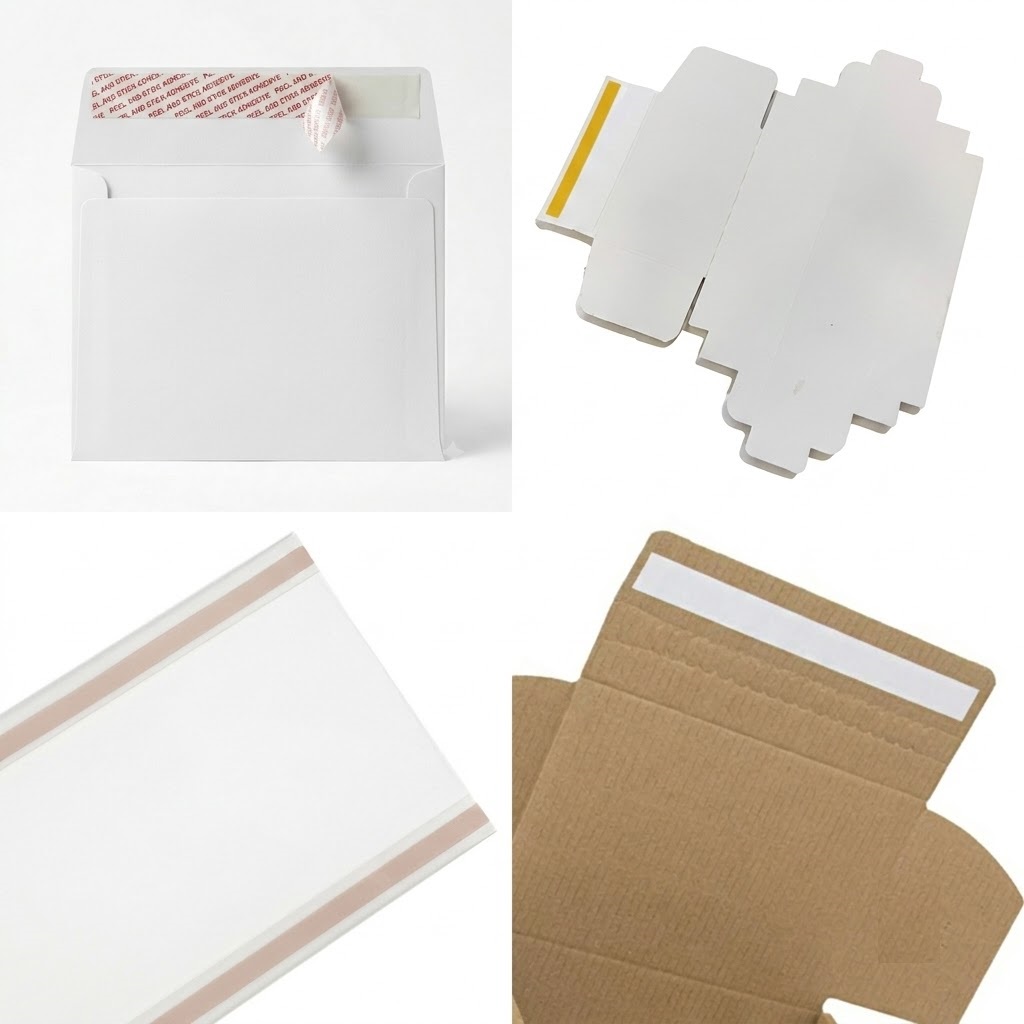
When applying double-sided tape for packaging or box assembly, you are dealing with bulk. The internal flute structure of corrugated board means it isn't perfectly flat or uniform. A dedicated corrugated box tape machine needs reliable grip to push these thicker substrates through without a stutter. That stability is what guarantees the tape hits the mark during continuous, high-volume production.
🌐Printed Cartons and Folding Boxes
Cosmetics, food, and electronics packaging live and die by visual alignment. If the tape placement is off by a fraction, the folded box goes out of square. Precise tape application here is about protecting the printed surface and ensuring the structural geometry of the final carton is flawless, batch after batch.
🌐Acrylic Sheets
POP displays and signage rely heavily on acrylic—a material that is rigid and incredibly smooth. The challenge is gaining mechanical purchase on that slick finish without scratching it. The tape applying machine must maintain a steady feed rate to drop tape onto highly specific target zones on the display components without slipping.
🌐Transparent PVC and Plastic Packaging
Clear packaging boxes and plastic sheets are smooth and, depending on the gauge, highly pliable. A proper PVC tape applicator has to guide these substrates securely to avoid stretching or warping the material. Any mismatch in tension or feed speed, and the tape application will look sloppy, ruining the transparent aesthetic.
How a Tape Applying Machine Maintains Consistent Application
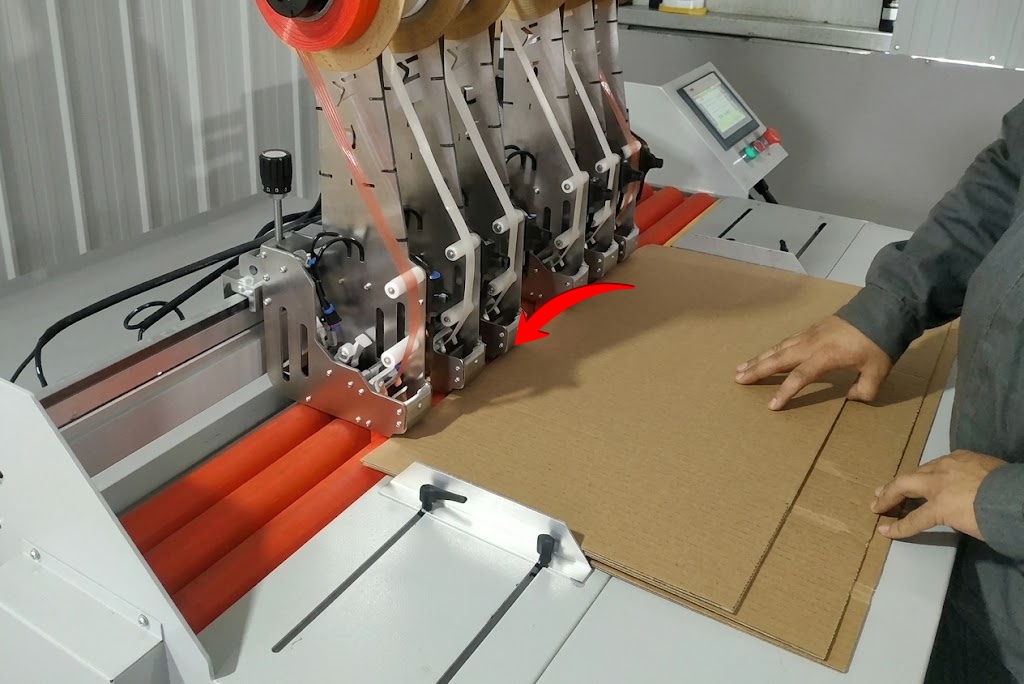
Consistency doesn't come from operator guesswork. It comes from the mechanical design of the equipment addressing the physics of the material.
 Stable Material Feeding
It all comes down to the feed. If the substrate wanders laterally before it even reaches the taping head, the application is already compromised. Keeping the material moving continuously and securely minimizes deviation.
Accurate Tape Positioning
A reliable double-sided tape applying machine relies on hard mechanical controls and preset parameters to dispense tape. This takes the variability out of the process, ensuring the tape location remains identical across thousands of individual workpieces.
Consistent Application Pressure
Tape doesn’t bond effectively without proper contact pressure. The applicator mechanism is engineered to press down evenly, adapting its force so the tape bonds securely—whether it’s riding over a slick plastic sheet or a textured piece of cardboard.
Adjustable Settings for Different Materials
There is no universal setting. Operators need the ability to tweak feed mechanisms and application settings based on the specific thickness, footprint, and surface of the material on the line that day.
Choosing a Tape Applying Machine for Different Materials
Looking only at the maximum processing width is a mistake. Equipment selection requires matching the machine's handling capabilities to the physical realities of your substrates.
| Material | Typical Application | Main Consideration |
Corrugated cardboard | Boxes and packaging | Thickness and stable feeding |
Printed carton | Folding boxes | Accurate tape placement |
Acrylic | Displays and signs | Smooth surface and positioning |
Transparent PVC | Plastic packaging | Smooth or flexible material handling |
If you are running mixed materials, don't guess. Run your actual substrates through the machine before committing to ensure the setup handles your specific tape and material combination.
Conclusion
Thick cardboard and thin plastic films simply don't play by the same rules. Mastering multi-material processing means locking down feeding stability, positioning accuracy, and application pressure.
A well-configured tape application machine is only as good as its ability to handle the physical quirks of the substrate. Stop fighting material jams and misalignments—consult with equipment specialists, test your specific dimensions and tape requirements, and configure a solution that actually fits your production reality.