Round, Square, or Custom Holes: Choosing the Right Punching Die
In industrial manufacturing and commercial print finishing, the quality of a punched hole depends entirely on the punching die. The die acts as the lower support structure, providing the exact profile that the punch shears against. Using mismatched tooling leads to rough edges, burrs, accelerated wear, and rejected products. Selecting the correct die is essential for maintaining product quality and operational efficiency.

Common Types of Punching Dies
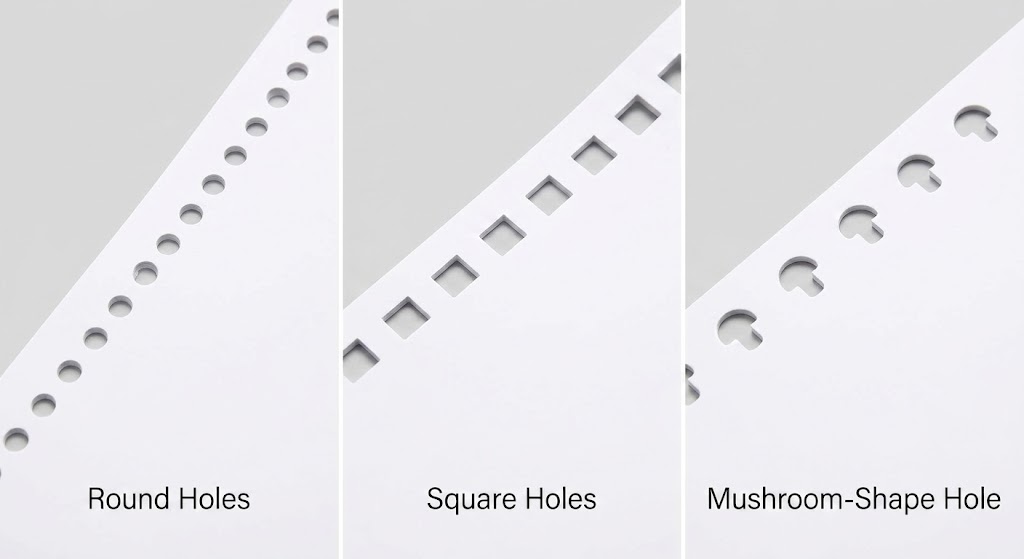
While the mechanical principles of shearing remain the same, die profiles vary significantly based on the end product.
 Round-hole dies
The industry standard for continuous wire binding and spiral coils. The symmetrical shape distributes shearing force evenly, ensuring long-term durability.
Square-hole dies
Frequently used for mechanical binding, particularly twin-loop wire. The corners concentrate more stress during shearing, requiring precise manufacturing to prevent premature wear.
Mushroom-hole dies
Essential for discbound notebooks and planners. This complex geometry requires exact clearances so paper can snap in and out of the binding discs smoothly without tearing.
Custom punching dies
Engineered for proprietary hole patterns, unique combinations of shapes in a single stroke, or specialized index tabs that fall outside standard parameters.
 How to Choose the Right Punching Die
Selecting the appropriate tooling requires evaluating the mechanical demands of the specific job. Key factors include:
Hole Shape
Complex shapes with sharp interior angles create stress concentrations, requiring high-grade tooling steel to prevent fracturing over time.
Hole Size
Larger holes displace more material, requiring an industrial punching machine with sufficient tonnage. For small holes, exact die clearance is critical to prevent fragile punch pins from bending or breaking.
Material
Uncoated paper shears cleanly, but synthetic, laminated, or heavy cardboard materials have different tensile strengths. Abrasive materials dull tooling faster, requiring hardened steel dies.
Material Thickness
Die clearance—the gap between the punch and the die opening—must match material thickness. If too tight, the machine exerts excessive force. If too loose, thin materials will fold or tear into the gap, causing burrs.
Production Volume
Continuous, high-volume runs justify heavy-duty tooling. Facilities with frequent job changeovers should prioritize dies that are easy to handle and swap.
Standard vs. Custom Punching Dies
Standard dies (round or square) are readily available, cost-effective, and ideal for standard binding and packaging tasks. They offer predictable performance and fast replacement times.
A custom punching die is necessary for proprietary binding systems, specialized packaging, or unique product designs. While they require a higher initial investment and longer lead times for engineering, custom dies allow manufacturers to produce specialized items that standard off-the-shelf tooling cannot accommodate.
Conclusion
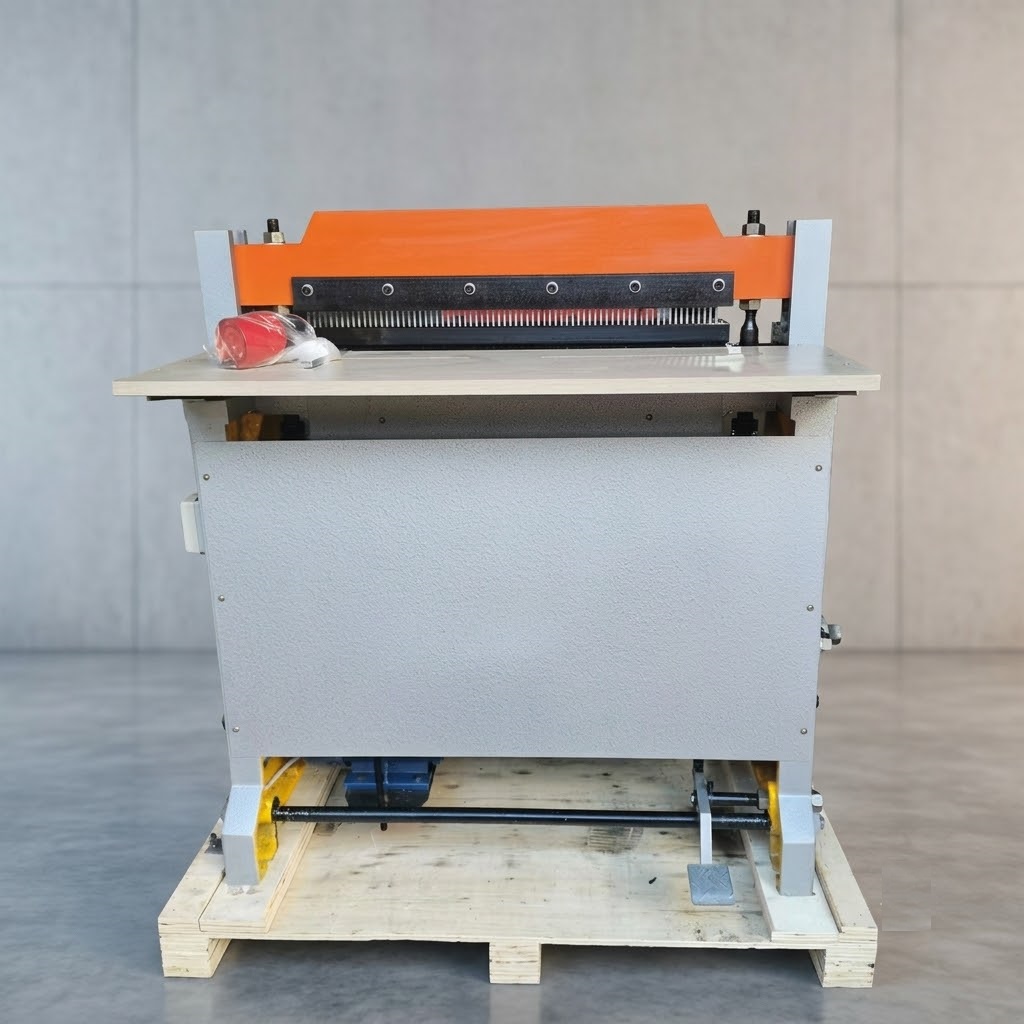
Every production run is unique, which is why our dies are custom-engineered according to your specific dimensions, material types, and material thickness. Especially when dealing with a custom punching die, even minimal differences in design or clearance can directly impact punching precision. By pairing exact, custom-machined tooling with the quick-change system on the DMHA-CK620 Punching Machine, facilities can ensure accurate, consistent output.
Need tooling engineered to your exact specifications?
Contact us anytime to discuss your custom die requirements and ensure perfect punching precision for your materials!