How a Custom Box Shop Solved Short Runs with an Double-Sided Tape Applicator for Cardboard
If you run a packaging floor right now, you’ve probably noticed a huge shift toward small-batch, customized cartons. Brands aren’t just ordering 50,000 identical boxes anymore—they want runs of 300 to 3,000 units for seasonal promos and boutique e-commerce drops. The thing is, applying double-sided tape on various paper boxes at that volume is a real headache. Handheld tape guns are way too slow and sloppy, while firing up a massive automatic line kills your margin.
In this case study, we look at how one packaging manufacturer solved this gap using our tabletop industrial double-sided tape applicator for cardboard—a heavy-duty production machine built for B2B factory floors, not a lightweight handheld dispenser.

The Challenge of Applying Double-Sided Tape on Various Paper Boxes
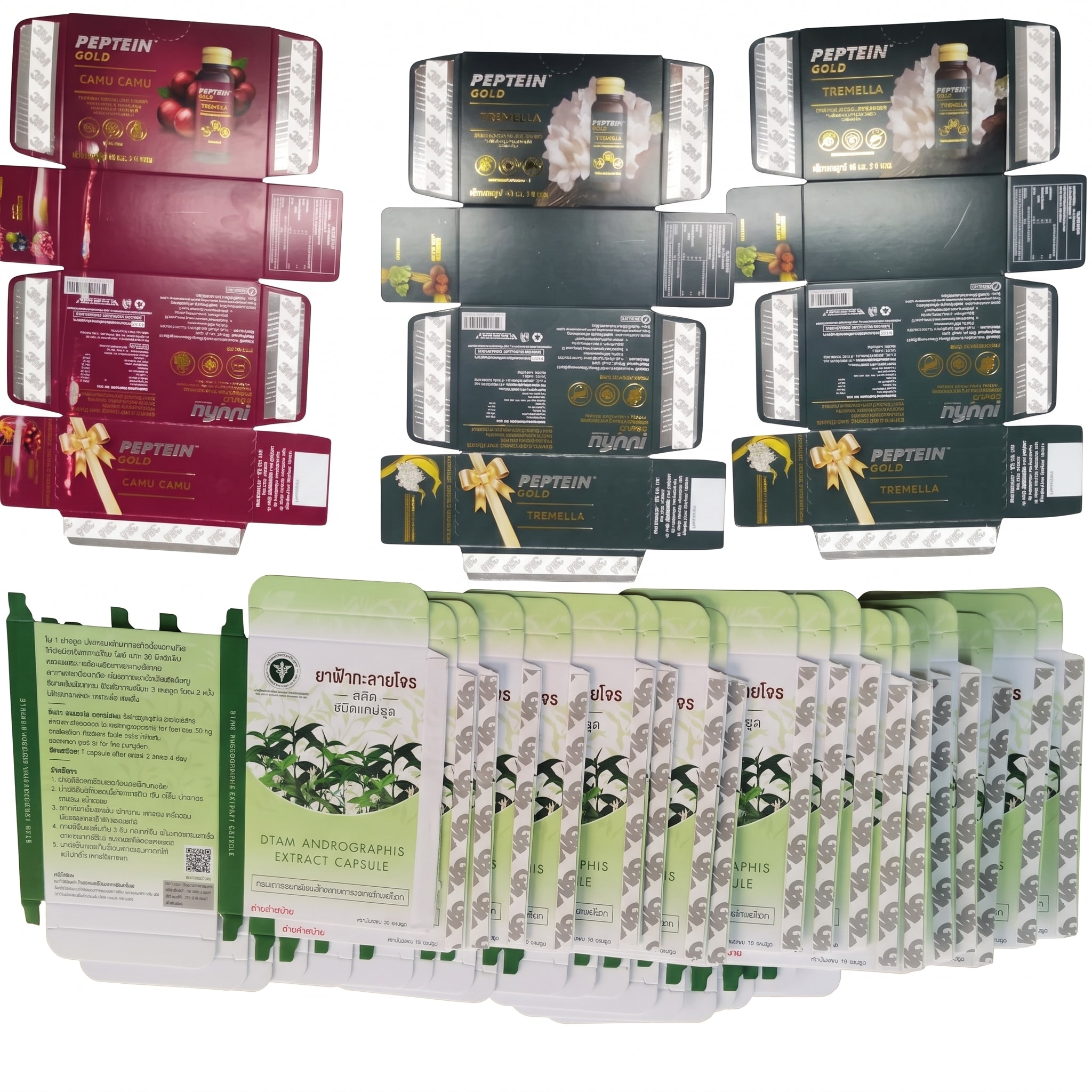
Our client operates a mid-sized custom packaging plant. Most days, their finishing team processes E-flute corrugated mailer boxes, 350gsm coated cardstock folding cartons, and rigid gift box flaps in batches of 300 to 3,000 pieces. Before bringing in our equipment, honestly, they were stuck between two bad choices:
 Full-size automatic taping lines were overkill.
Setting up a floor-standing automatic machine for a 500-piece run took 30 to 45 minutes of guide calibration and wasted test boards. By the time the line was dialed in, the profit on the job was gone.
Handheld dispensers and hand-taping couldn't hold tolerances.
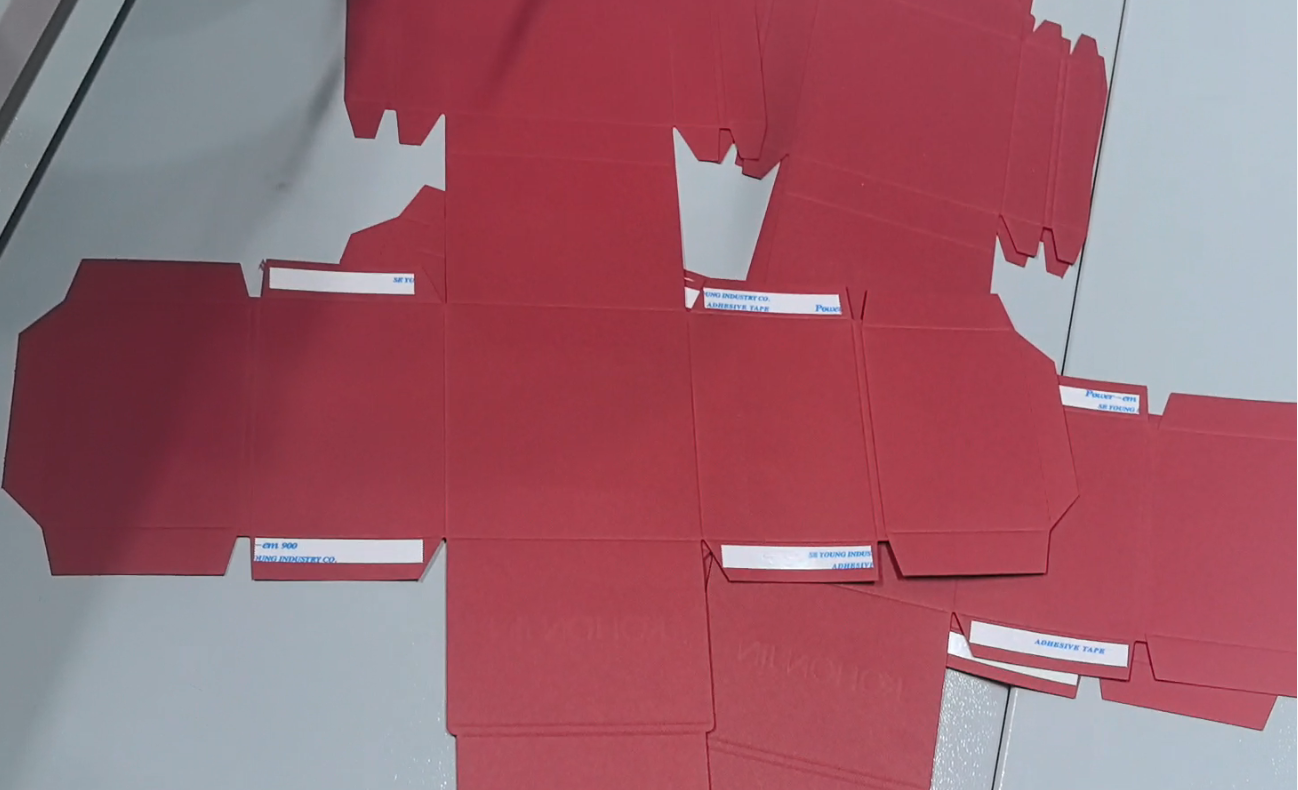
Using handheld ATG guns on thick, laminated cardstock led to crooked tape strips, trapped air bubbles, and sore wrists. Worse yet, tape adhesive frequently stuck to the wrong edge of narrow box flaps, causing high reject rates.
They didn't need another giant automated line. They needed a dedicated industrial taping machine built specifically for fast, short-run changeovers.
The Solution: A Tabletop Industrial Double-Sided Tape Applicator for Cardboard
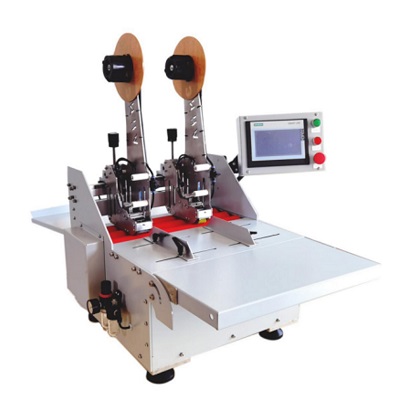
After reviewing their daily box substrates and flap widths, the client installed our tabletop industrial manual double-sided taping machine right next to their die-cutting station. Engineered specifically for applying double-sided tape on various paper boxes and heavy cardstock, it bridged the gap between manual bench work and full automation.
How Our Manual Double-Sided Taping Machine Changed the Shop Floor
"Honestly, we used to dread getting 500-piece custom box orders. Calibrating the big automatic line took 45 minutes, and handheld tape guns left crooked strips on our matte-laminated cartons. With this manual double-sided taping machine, anyone on our floor can adjust the width in seconds and knock out a whole batch with clean, ±2mm accuracy."
— Production Manager, Custom Packaging Client
In short, the machine hit the exact sweet spot for orders between 100 and 5,000 units. Specifically, here is how it fixed their real-world production issues:
Zero-hassle width adjustments for multi-SKU runs.
Switching from a narrow cosmetic folding carton to a wide E-flute e-commerce mailer used to halt production. Now, operators slide the guide rails to match different box sizes and tape widths in seconds—no special tools required.
Consistent ±2mm placement on tricky substrates.
Whether applying double-sided tissue tape or PET tape onto 300gsm coated paperboard or corrugated flaps, the press roller lays the strip flat without air bubbles, skewing, or scratching UV-coated print surfaces.
Immediate labor and time savings.
Basically, one operator running this tabletop industrial machine matches the daily output of three to four workers using handheld dispensers. The shop easily hits tight turnaround times without hiring extra seasonal staff.
Stable feeding across mixed board thicknesses.
Thin cardstock, stiff greyboard, and corrugated mailers all feed smoothly without slipping or jamming at the tape head.
The Results: Faster Small-Batch Paper Box Taping and Better Margins
Long story short, within the first month of running our double-sided tape applicator for cardboard, the client's short-run bottleneck disappeared. Orders of 500 to 2,000 custom boxes—jobs they previously turned away or outsourced—became steady profit drivers.
At the end of the day, cutting changeover time down to seconds while holding a strict ±2mm industrial tolerance meant the machine paid for itself in just a few production cycles.

Technical FAQs: Manual Double-Sided Tape Applicator Machine for Cardboard
1. Can this machine handle both finger-lift (extended liner) tape and standard double-sided tape?
Yes. The taping head is engineered to run standard double-sided tissue tape, PET/OPP acrylic tape, and finger-lift (easy-peel) tape commonly used on e-commerce mailer boxes and express envelopes, without snapping the release liner.
2. What is the minimum and maximum tape width supported?
The standard tape applicator head supports double-sided tape widths from 5mm to 35mm, with quick mechanical adjustments so you can switch roll widths in under a minute.
3. What cardboard and paperboard thicknesses can it process?
It handles substrates ranging from 100gsm up to 5mm corrugated cardboard (DMHA-520), including matte-laminated, varnished, and UV-coated box flaps.
4. How do you handle maintenance and spare parts for overseas buyers?
Because this is a mechanical tabletop industrial machine with minimal complex electronics, daily maintenance is mostly keeping the rollers clean of adhesive buildup. We include a set of wear parts (such as spare cutting blades and springs) with every shipment, provide step-by-step English video guides for adjustments, and ship replacement parts globally via DHL/FedEx within 3–5 business days.
Find the Right Taping Machine for Your Production Volume
Every packaging floor runs differently. Depending on your daily batch size and box substrates, explore the exact setup that fits your workflow:
For 100–5,000 Custom Boxes (Featured in This Case): Check specs and demo videos for our
For High-Volume Runs (10,000+ Units/Day): Need continuous feeding for express envelopes or corrugated cartons? Explore our
For Extra-Wide Displays & Rigid Boxes: Working with oversized POP displays or thick greyboard? See our
Not sure which model matches your tape and board specs?