Objective Analysis: What Are the Emerging Trends in the U.S. Red Wine Market by 2026?
According to consumer data research, the U.S. red wine market in 2026 is expected to show an overall trend of slight volume contraction coupled with significant structural differentiation. Meanwhile, generational consumption patterns, consumer preferences, and price structures have all undergone notable shifts.
Structural Shifts in the Market
 In 2025, U.S. consumers spent over $115 billion on wine, reaching a record high, yet total consumption has declined year-on-year for several consecutive years, signaling the industry's transition into a structural adjustment phase characterized by "less drinking, but better quality."
Widespread price reductions have become an industry consensus, with 84% of wines currently available in the U.S. priced lower than in the same period of 2024—the second-highest rate of price cuts among major global wine-producing regions—reflecting wineries' proactive efforts to adapt to today’s more rational consumer environment through pricing adjustments.
Direct-to-consumer channels are contracting, as the previously fast-growing direct sales model shows signs of significant slowdown. The industry is now rebalancing its resource allocation across offline distribution, e-commerce, and direct-to-consumer platforms.
New Directions in Product and Experience Innovation
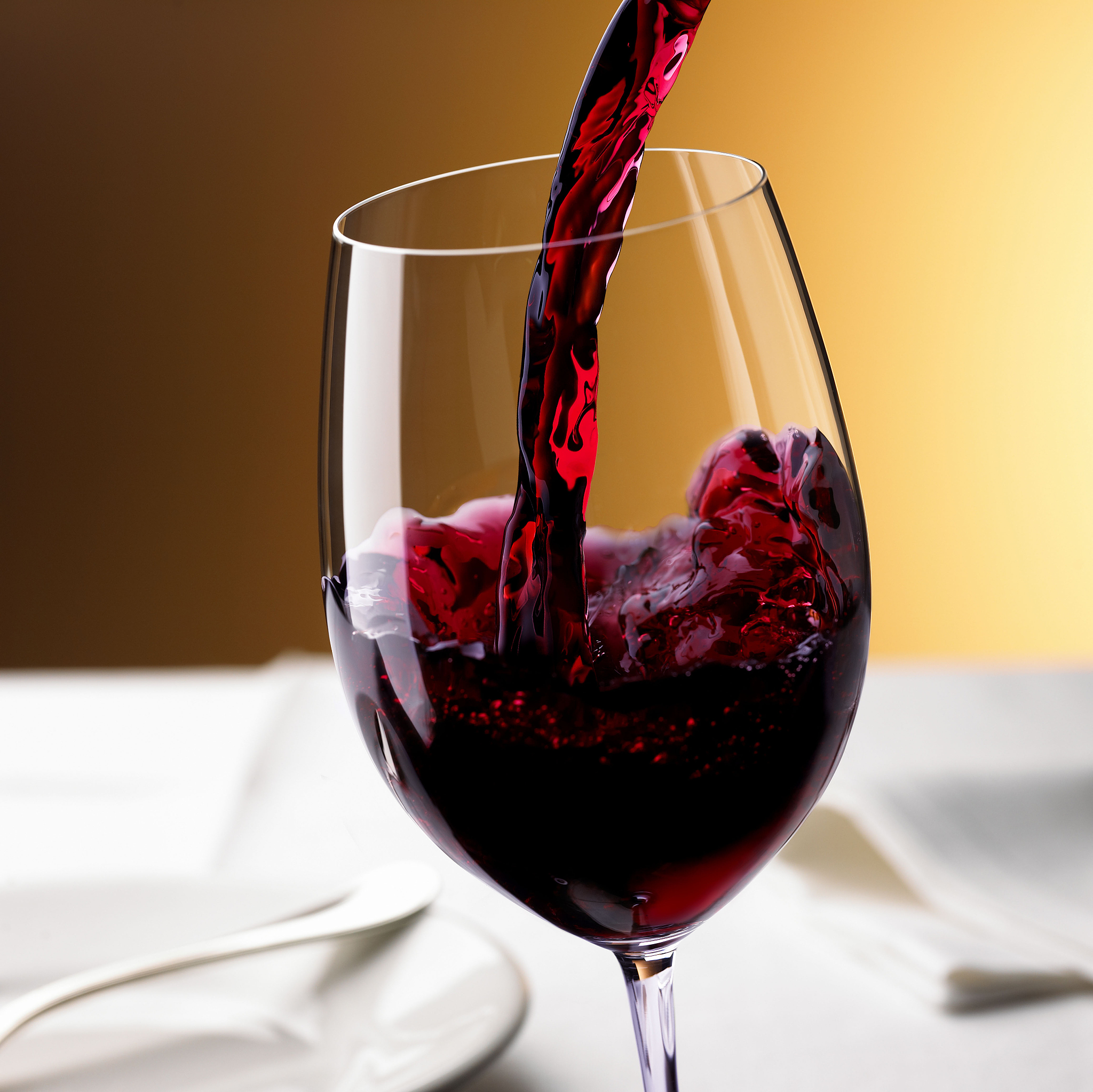
Light-style wines gain rapid traction: Low-alcohol, easy-to-drink Pinot Noir and light red wines continue to increase their market share, while traditional full-bodied, high-tannin classic reds see shrinking market presence.
Small-format packaging gains popularity: Sales of canned and bagged portable red wines grew by over 30% year-on-year, perfectly suited to diverse consumption scenarios such as outdoor activities and casual socializing, particularly favored by younger consumers.
Regional specialty varieties rise: California’s core triad of Chardonnay, Pinot Noir, and Zinfandel has solidified its dominance. Premium wines from cool-climate coastal regions have broken the Old World’s monopoly on high-end white wines, securing multiple spots on global top-100 lists.

New Changes Driven by External Factors
Export markets face pressure: Due to high tariffs imposed by many countries, U.S. wine imports into several markets have entered a “frozen” phase, with conventional trade channels seeing sharp declines in volume. Importers are generally choosing to clear existing inventories without replenishing large quantities.
List-driven consumer impact intensifies: Following the release of Wine Spectator’s 2025 Top 100 list, U.S.-produced wines priced between $30 and $50 saw first-day sales surge by 200%. Collectible wines priced above $100 sold out immediately upon listing, marking the peak influence of professional media rankings on consumer decisions in recent years.
Shifts in Consumer Mindset
Rational tasting becomes mainstream: Consumers no longer blindly chase high prices or prestigious brand names. The number of affordable, high-value wines under $30 featured on top-100 lists continues to grow, making "quality improvement with great value" the dominant market demand.
Scenario-based consumption becomes widespread: Red wine is no longer limited to formal dining occasions. Consumption in casual settings—such as at-home sipping, outdoor picnics, and small gatherings with friends—now accounts for over 60%, driving continuous adaptation of products and packaging toward lighter, more convenient formats.
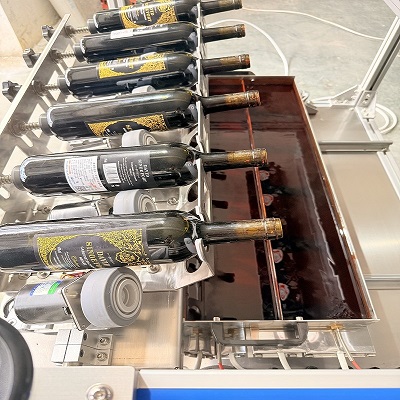
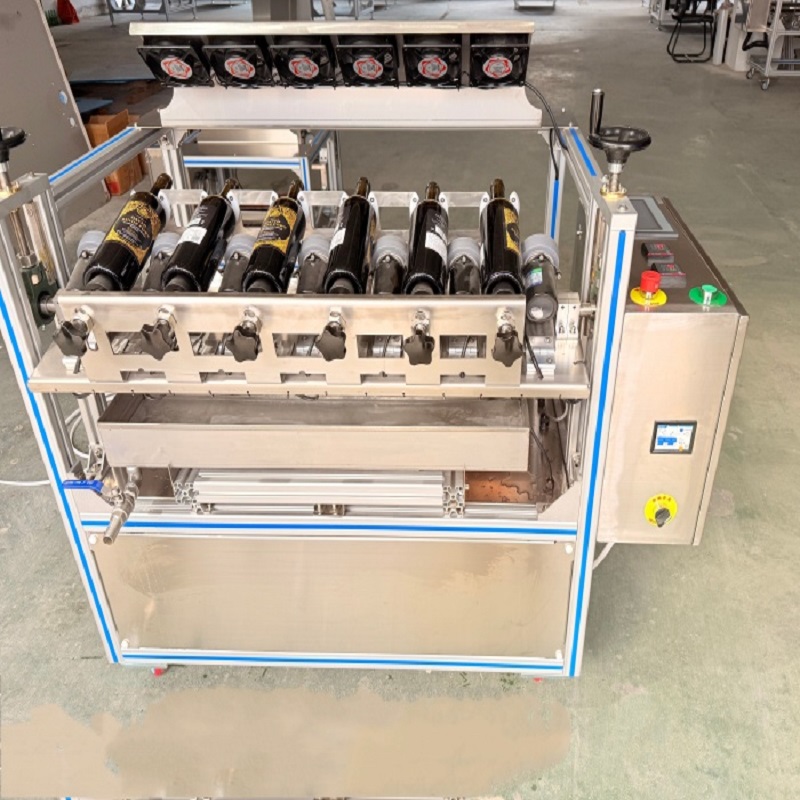
We recommend our DMHA-LF60 wax sealing machine for premium clients of wineries, which perfectly meets the sealing requirements for our mid-to-high-end red wines. In this era where price and quality are fiercely competitive, it delivers significant product value and an upgraded experience for high-net-worth customers.
Here’s what we can offer you:
• 1. Compliance and Quality Assurance: The equipment uses a wax formulation compliant with OIV Technical Guideline No. 38, free from phthalates, heavy metals, and synthetic dyes—fully meeting export standards and the quality expectations for premium and collectible wines.
• 2. Exceptional Oxidation Protection: Reduces oxygen permeability at the bottle neck to less than one-quarter of that of standard cork closures. With wax layer thickness precisely controlled between 2.5–3.5mm, it effectively prevents ethanol evaporation and acetic acid bacteria invasion, significantly extending the aging potential of fine wines.
• 3. Compatibility with Premium Storage Conditions: Under typical cellar conditions—constant temperature of 12–15°C and humidity of 65%–75%—the wax coating remains stable without cracking, peeling, or sticking, making it ideal for long-term storage in high-end wine cellars.
• 4. Customized Labeling Function: Supports embossing of exclusive identifiers such as winery logos, customer names, or custom vintages directly onto the wax seal. This creates unique, personalized marks for premium custom wines and private collections, enhancing both ceremonial appeal and collectible value. It also adds a modern, stylish touch highly favored by connoisseurs.
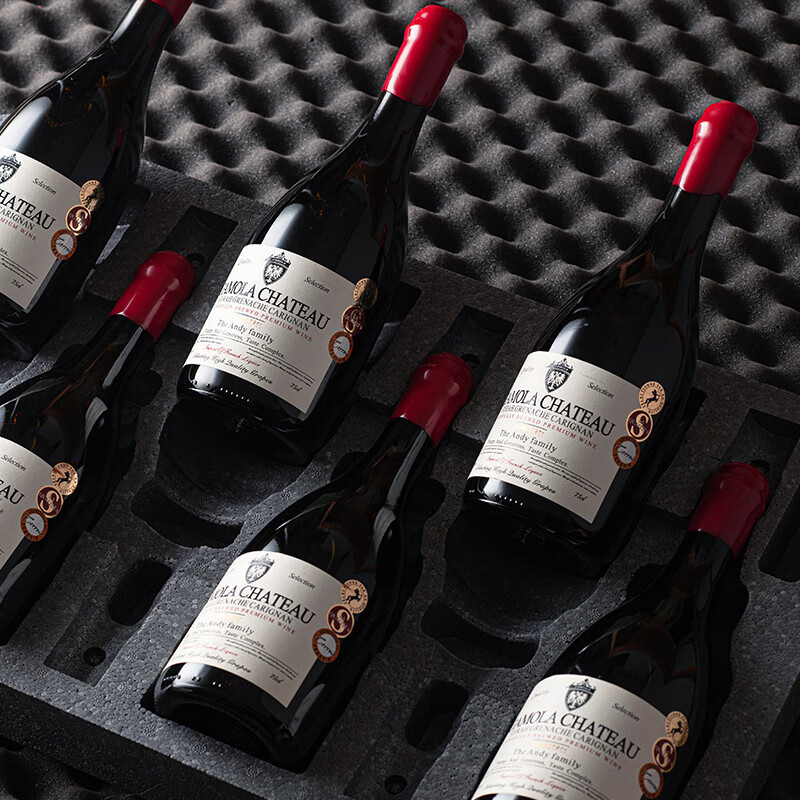
• 5. Seamless Operation: Highly automated, each bottle is sealed in just seconds, delivering uniform and aesthetically pleasing results. Eliminates common issues like inconsistent wax thickness or dripping stains seen in manual sealing, making it perfect for large-scale production during high-end tastings and custom wine runs.
• 6. Craft Heritage: Replicates the traditional beeswax sealing technique used by classic 17th-century Bordeaux châteaux, conveying a sense of centuries-old craftsmanship to discerning clients and reinforcing the cultural prestige of your wines.
• 7. Reliable Performance: The machine operates with exceptional stability, achieving a year-round failure rate of 99.9%, ensuring consistent, uninterrupted production for your premium wine lines—requiring minimal maintenance or adjustment.
If you'd like to try it out, feel free to send us your sample bottles—we’ll provide a free on-site wax sealing demonstration!
Contact us today!