Low temperature tape adhesion issues solved! Three ignored details for 90% packaging plants.
In low-temperature environments, the adhesive on tapes (whether water-based, solvent-based, or hot-melt) undergoes physical changes. The adhesive hardens and loses its flowability, preventing it from effectively penetrating the fibers on the surface of the cardboard. This results in the tape failing to stick or "popping off."
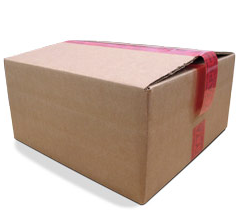
Specifically for taping machines (which rely heavily on physical pressure and tape tension), you can resolve this issue from the following three dimensions:
I. Tape and Consumables Optimization
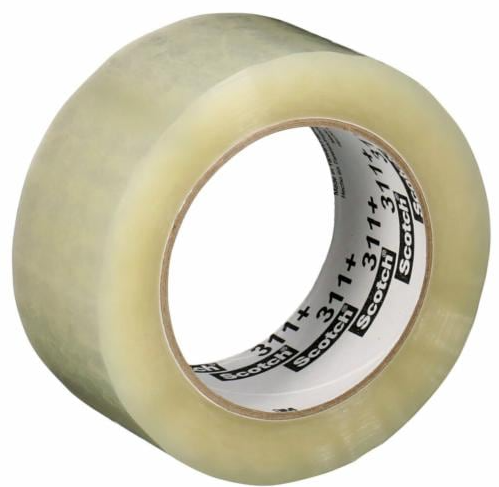
Switch to Low-Temperature Specific Tapes: The initial tack of standard BOPP carton sealing tapes drops significantly below 10°C. It is recommended to switch to dedicated low-temperature tapes (such as cold-storage specific hot-melt tapes or special formula acrylic tapes), which maintain adhesive activity in environments ranging from -15°C to 0°C.
"Warm Up" Tapes Before Use: Establish a temperature-controlled storage area for consumables. Store the tapes needed for the day in an indoor environment at 15°C - 25°C for at least 24 hours beforehand. Avoid leaving tapes exposed in the cold workshop for long periods; take them out only as needed to maintain their optimal initial temperature upon application.
Check the Cardboard Material: Cardboard with surface laminations, wax coatings, or a high proportion of recycled pulp is much harder to adhere to in cold conditions. If the cardboard surface is too smooth, the requirement for the tape's initial tack will multiply.
II. Taping Machine Mechanical Parameter Adjustments
Increase Roller Pressure: The core action of a taping machine is pressing the tape down via pressure rollers. In cold weather, the adhesive's flowability is poor, so physical pressure must be increased to force the adhesive into the cardboard fibers. Appropriately tighten the front and rear roller springs on the machine to ensure the rollers press tightly against the cardboard.
Reduce Machine Running Speed: After the tape contacts the cardboard, it needs a certain "wetting time" to form a strong bond. Moderately slowing down the conveyor speed of the taping machine will extend the duration of applied pressure from the rollers, significantly improving the adhesion effect.
Adjust Tape Tension: Check the unwinding mechanism. If the tape tension (pulling force) is too high, it will create a rebound force after being cut. This can pull the tape ends off the cardboard before the adhesive has fully set. Slightly loosen the tension controller to prevent this snap-back.
Install Local Heating Devices: If conditions permit, install industrial heat guns or infrared heating lamps at the tape outlet or just before the pressure rollers. Applying instantaneous heat to the adhesive side of the tape or the target area on the cardboard will soften the adhesive and improve tack.

III. Cardboard and Environment Control
Eliminate Condensation on the Cardboard: Low-temperature environments (especially workshops with large temperature fluctuations) can easily cause microscopic condensation to form on the cardboard surface. This water film acts as a direct barrier between the tape and the cardboard. Ensure the cardboard is absolutely dry before packaging.
Improve Local Working Temperature: If heating the entire workshop is too costly, use industrial space heaters to raise the ambient temperature in the immediate working area of the taping machine (a zone of about 2-3 square meters). Raising the temperature just above freezing at the exact moment of application can drastically improve adhesive performance.