How to Choose an Automatic Knife Cutting Machine Without Wasting Your Budget
You don’t buy a CNC knife cutter just to cut materials; you buy it to cut labor costs and stop wasting expensive raw stock. But the B2B market is flooded with equipment that looks identical on paper. Buy the wrong one, and you’re stuck with stalled production lines, ruined material, and useless warranty terms.
If you are upgrading your factory floor, here is what actually matters when evaluating a digital cutting system.
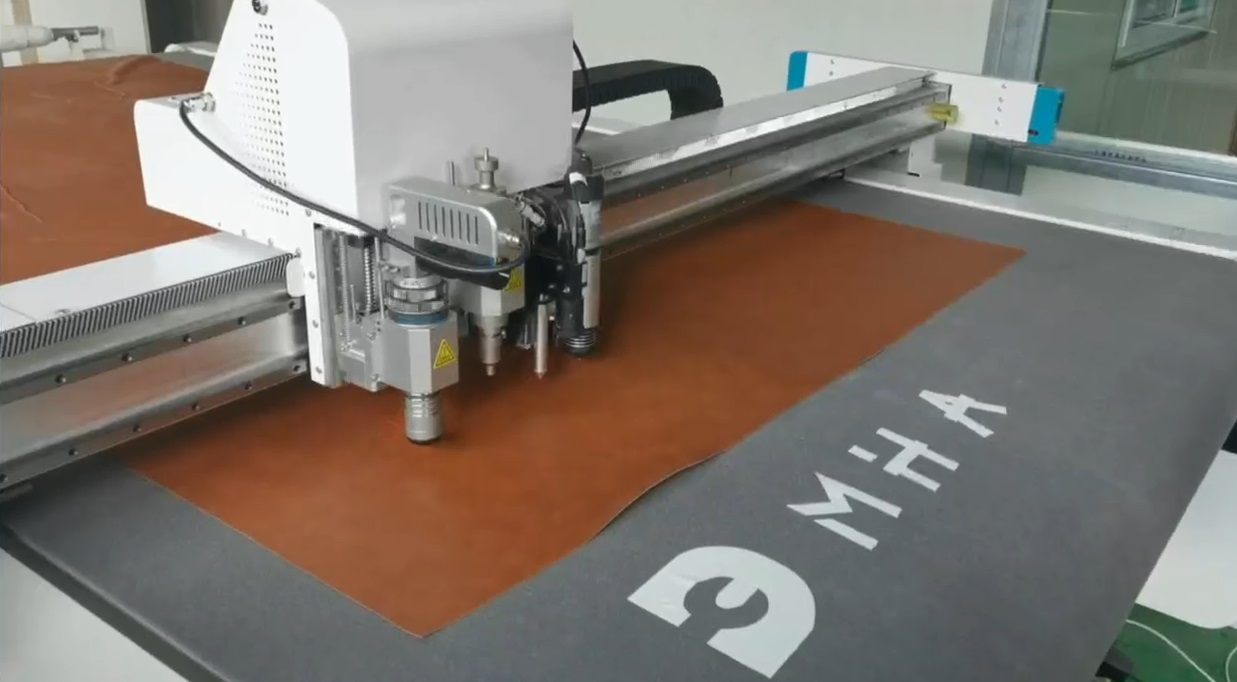
The Tooling Architecture Dictates Your Versatility
It’s not just about the machine bed; it’s about what’s mounted on the gantry. Traditional die-cutting is too rigid for modern, short-run custom jobs. You need a modular tool head. If the manufacturer can’t guarantee rapid tool changes, you will bleed money in downtime every time you switch batches.
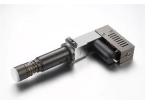
Oscillating Knife: Non-negotiable for medium-density materials like corrugated board, rubber, and thick sound-absorbing panels.
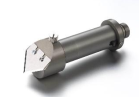
V-Cut Tool: Essential if you are folding cartons or honeycomb boards.
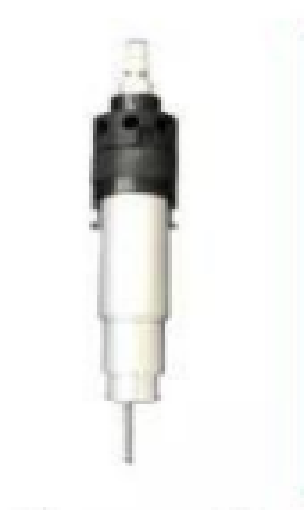
Pneumatic Knife: Standard motors will burn out on thick, dense materials like asbestos or heavy-duty gaskets. You need pneumatic power here.
 Frame Stability and Hardware Truths
Precision on a spec sheet means nothing if the machine vibrates at high speeds. A lightweight frame will ruin your edge quality within months.
Look for a heavy-duty welded steel frame. For the drive system, ignore cheaper stepper motors. If you want positioning accuracy that survives years of daily operation, demand Servo Motors (brands like Panasonic or Yaskawa are industry benchmarks) paired with linear guide rails.
Then there is material hold-down. Cutting lightweight textiles or flexible transparent PVC is a nightmare if the material shifts mid-cut. You don't just need a vacuum table—you need zoned vacuum areas. This concentrates the suction exactly where your material sits, flattening it completely without bleeding power across the empty parts of the bed.
Standard Machines Rarely Fit Custom Workflows
Very few factory floors operate exactly the same way, which means an off-the-shelf machine is often a compromise. You need a supplier with actual engineering capacity, not just an assembly line.
If your facility processes oversized wooden boards or extra-long corrugated sheets, you need customized feeding and receiving boards. If your process requires applying double-sided tape immediately during the cut cycle, that demands specific hardware and software modifications. Partner with a manufacturer who engineers around your specific bottleneck, rather than forcing your operators to adapt to a standard spec.
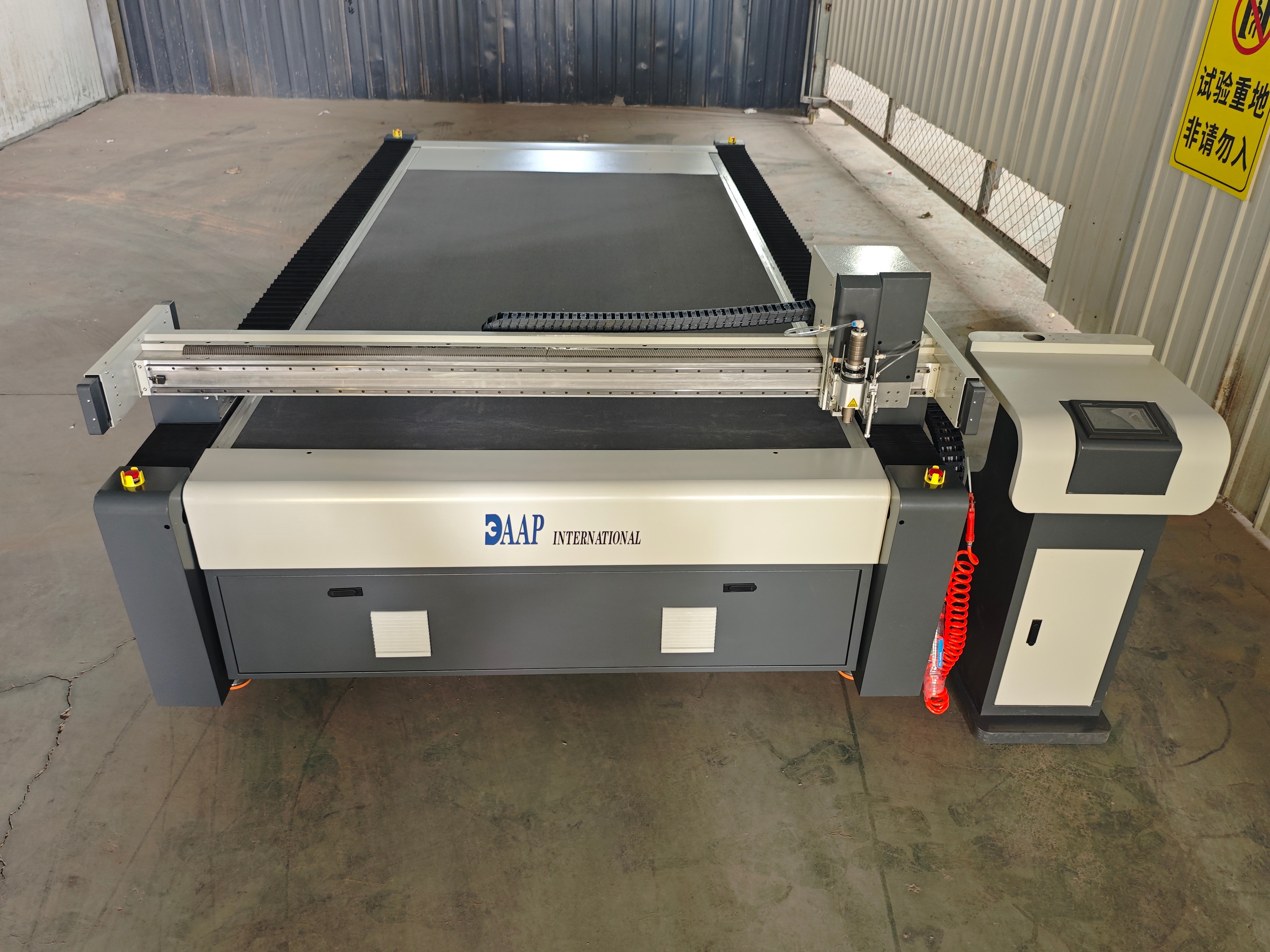
The Software Pays for the Machine
The hardware makes the cut, but the software dictates your profit margin. If a machine lacks smart nesting software, walk away.
Advanced nesting algorithms pack your patterns tighter on the digital layout than any human operator can. The daily yield savings on high-cost raw materials—whether that's specialized industrial fabrics, leather, or composites—will quietly pay for the machine itself over time.
The Reality of Importing Machinery: Technical Support
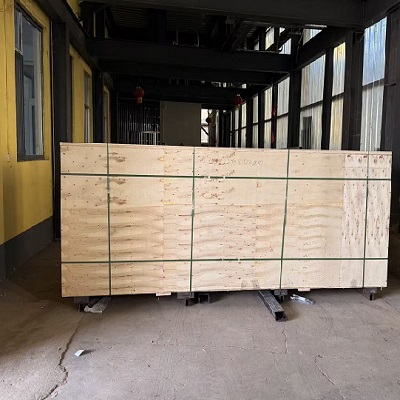
This is where most overseas machinery purchases fail. The crate arrives, the manual is unreadable, and support is practically non-existent. Before wiring a deposit, test their after-sales readiness.
At DAAP Machinery, we treat post-sale support as part of the machine's core hardware. We supply complete English documentation and live remote diagnostics because we know a machine that isn't running is a massive liability to your business.
Stop guessing if a machine can handle your workflow.Send us a sample of your toughest material. We’ll run it through our cutters and send you the raw, unedited test video so you can verify the speed and edge precision yourself.