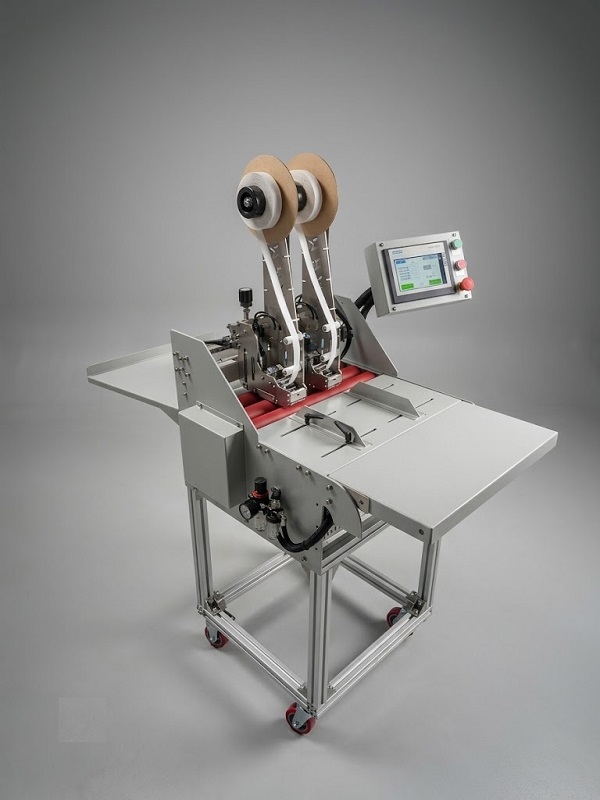
DMHA-520 Tape Applying Machine for Transparent PVC with 3M Electrical Tape
 Clear-on-clear applications are notoriously unforgiving. When you apply transparent tape to a transparent substrate, every minor flaw—a trapped air bubble, a slight stretch in the adhesive, a millimeter of misalignment—is immediately visible to the end user.
Recently, a manufacturing client in Turkey reached out with this exact problem. They needed to apply transparent 3M #5 electrical tape to transparent PVC materials. Relying on manual labor for this process was resulting in inconsistent quality and slowing down their output. To stabilize their production, they integrated the DAAP DMHA-520 Semi-Automatic tape application machine. Here is a breakdown of how moving from manual application to a mechanized process solved their alignment and consistency issues.


Customer Application Requirements
Understanding the specific materials involved is crucial for designing a successful tape application process. The Turkish customer’s project involved two primary components, both of which present unique challenges in a manufacturing environment.
Transparent PVC Material
The customer's base material is transparent PVC. In industrial applications, transparent PVC is often chosen for its clarity, durability, and flexibility. However, its transparent nature means that any inconsistencies during the manufacturing process are immediately visible.
When applying tape to transparent PVC, the position and consistency of the application are critical. If the tape is applied manually, it is highly susceptible to human error. Slight misalignments, uneven pressure, or inconsistent placement can severely impact the final appearance of the product. Because both the material and the tape are see-through, any trapped air, wrinkles, or skewed lines cannot be hidden. Therefore, the customer required a taping method that could guarantee a stable and consistent application effect across every single workpiece.
Transparent 3M #5 Electrical Tape
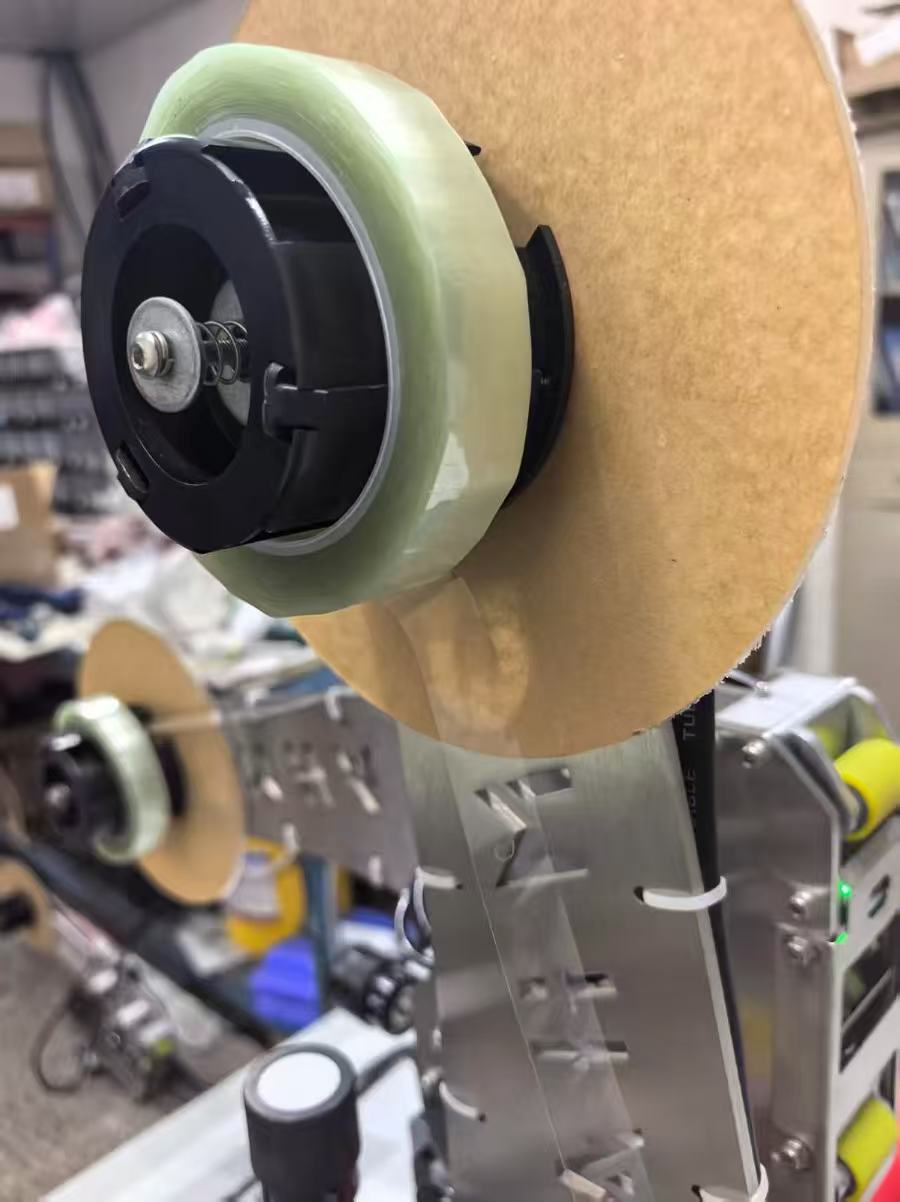
The adhesive material chosen for this project is the transparent 3M #5 electrical tape. This specific tape is utilized for its reliable adhesion and protective properties on the PVC surface.
Applying transparent tape requires precise handling. If the tape is stretched unevenly during application, it can deform, which not only affects the aesthetic quality but may also compromise the tape's functional properties over time. The combination of a clear tape on a clear PVC surface means that the application process must be exceptionally smooth. The customer needed a mechanical solution that could handle the 3M tape smoothly without causing unnecessary tension or distortion during the unrolling and applying phases.
Why the DMHA-520 Made Sense
The facility couldn't scale a process that relied entirely on an operator's steady hand, but they also didn't need a complex, fully automated system. They shifted to the DMHA-520 semi-automatic tape applying machine to establish a mechanical baseline where it mattered most: the tape application itself.
The core advantage of the DMHA-520 in this scenario is that it combines human flexibility with mechanical precision. The operator controls the pace by loading the materials, while the machine handles the stable tape feeding and uniform application. It unrolls the 3M tape under controlled tension, ensuring the adhesive material doesn't stretch or snap. Combined with accurate positioning, the machine guarantees the tape hits the exact specified coordinates on the PVC, eliminating the positional drift that happens when operators get fatigued.
The Semi-Automatic Application Process
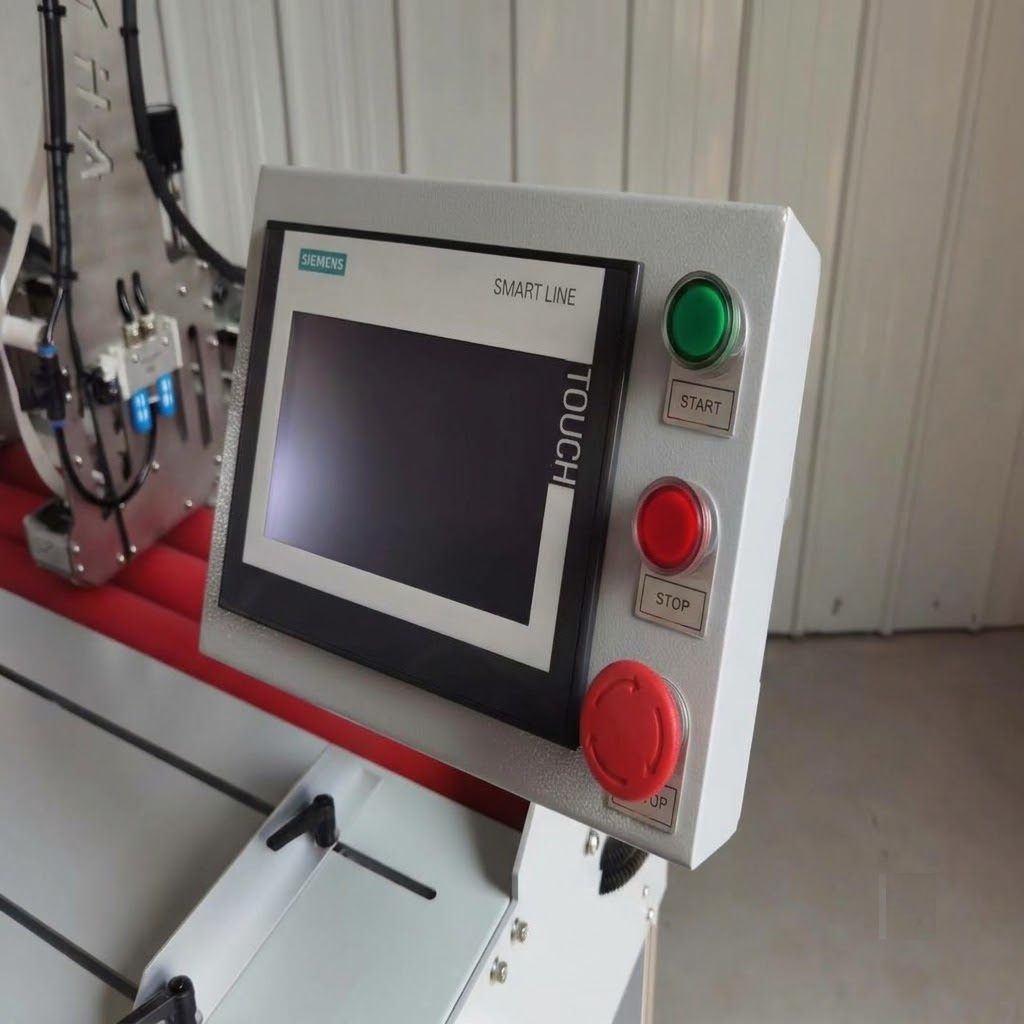
The workflow of the DMHA-520 strips away the variables of manual taping while keeping the operation straightforward. For this specific clear-on-clear application, the operator and machine work together:
 Manual Loading: The operator places the transparent PVC substrate onto the machine's fixture, ensuring it is properly aligned.
Triggering the Cycle: The operator initiates the machine cycle (via a PLC Touch Screen), keeping their hands clear and maintaining a steady rhythm.
Mechanical Application: The system dispenses the 3M #5 electrical tape under controlled tension and applies it to the target area with uniform, mechanical pressure—the key to avoiding visual defects on clear materials.
Repeatable Cycles: The operator removes the perfectly taped PVC piece, loads the next one, and repeats. The machine executes the exact same parameters for every cycle, maintaining strict batch consistency.

Operational Results on the Production Floor
Replacing full manual application with a semi-automatic tape applying machine fundamentally changed the client's workflow.
The most immediate impact was the visual quality. The stable feeding and uniform application pressure delivered the clean, consistent appearance that transparent PVC demands. Positional deviation dropped significantly because the machine, not the operator, was dictating the tape placement.
Beyond the product itself, the facility optimized its labor. Operators experienced less physical strain and fatigue since the machine took over the demanding task of pressing and aligning the tape. Production efficiency improved simply because the semi-automatic process is steady, predictable, and much faster than applying tape by hand.
Case Summary
Customer Location: Turkey
Machine: DMHA-520 Semi-Automatic Tape Applying Machine
Substrate: Transparent PVC
Tape Specification: 3M #5 Electrical Tape (Transparent)
Application Goal: Consistent, defect-free tape application on clear materials
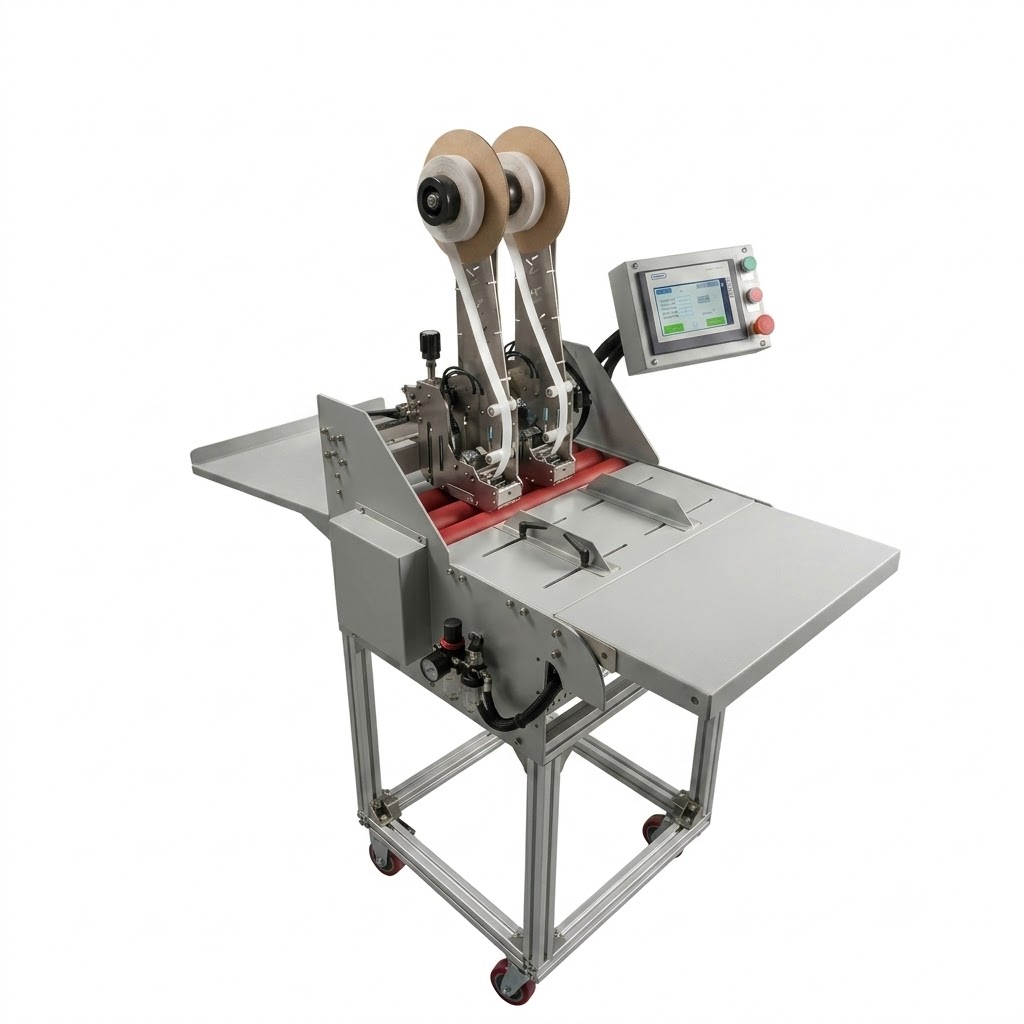
Looking for a Tape Applying Machine for Your Material?
Finding the right taping equipment depends entirely on how your specific tape interacts with your base material. Clear materials present visual challenges, while others might present adhesion or dimensional issues. Semi-automatic solutions often provide the best balance of cost, flexibility, and precision for growing manufacturers.
If your facility is struggling with manual taping inconsistencies on PVC, plastic sheets, or other demanding substrates, we can help you spec the right equipment.
To help us evaluate your process, please share:
Material type and dimensions
Tape brand, type, and width
Exact application position
Your target production capacity
Photos or videos of how you are currently applying it
Contact Us for a Customized Tape Application Solution or Send Us Your Material and Tape Requirementsto see if the DMHA-520 is the right fit for your production line.
Click here to get more information about DMHA-520!