Buying Guide: How to Choose a Fully Automatic Taping Machine (And What to Avoid)
Sourcing an industrial tape applicator isn't just about finding the fastest machine on a spec sheet. It's about keeping the line running when a difficult substrate hits the factory floor. As an active taping machine manufacturer, we see buyers make the same expensive mistakes every quarter.
If you want to maximize ROI without the operational headaches, here is a practical look at what actually matters when evaluating automated taping equipment.


Stop Looking Just at Speed
Yes, throughput matters. But if you want a machine to run continuous shifts without constant micro-adjustments, you need to look under the hood.
A machine is only as reliable as its drive system. Quality servo motors, responsive PLCs, and high-end sensors aren't just bullet points—they are what prevent step-loss and tape misalignment when you push the speed up.
Then there's material reality. Running standard cardboard is easy. But what happens when you need to apply transparent 3M electrical tape onto clear PVC? If the machine’s tolerance (you should demand at least ±1mm) can’t handle that without bubbling or shifting, you're going to bleed money in rework.
You also need to ask about tooling. Knives and belts are consumables. If it takes your operator an hour to swap a cutter because there’s no quick-change system, that is pure lost production time.
The Traps Buyers Actually Fall Into
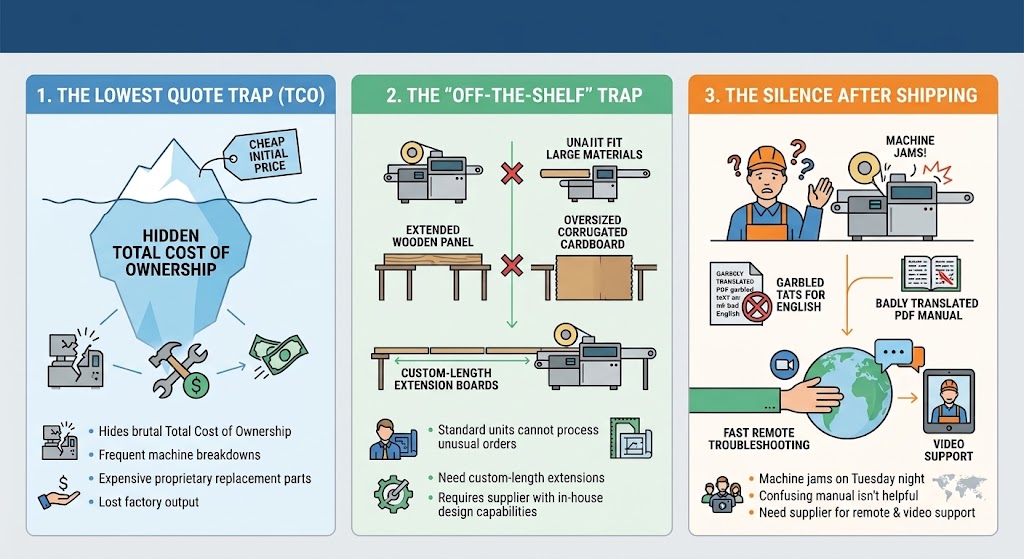
When figuring out how to choose a tape applicator, procurement teams often get caught in three distinct traps:
1. The Lowest Quote Trap (TCO)
The cheapest initial price tag usually hides a brutal Total Cost of Ownership. Budget machines break down more often, require expensive proprietary replacement parts, and ultimately cost you in lost output.
2. The "Off-the-Shelf" Trap
Standard machines are fine until you get an order for extended wooden panels or oversized corrugated cardboard. An off-the-shelf unit simply can't process those. You’ll need custom-length feeding and receiving extension boards. A broker can't engineer that for you; you need a supplier with actual in-house design capabilities.
3. The Silence After Shipping
Sourcing overseas is practical, but only if the support holds up. When a machine jams on a Tuesday night, a poorly translated PDF manual won't help. You need a supplier equipped for fast remote troubleshooting and video support.
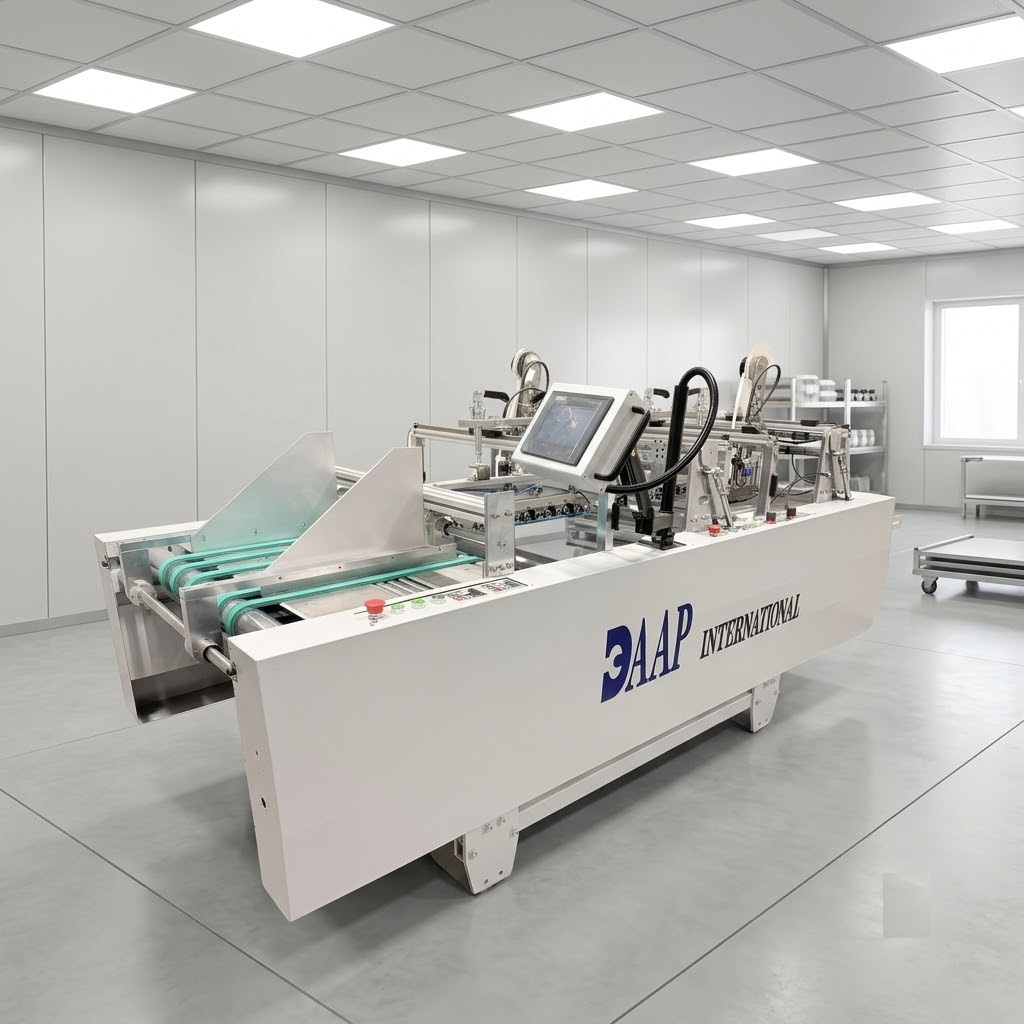
The Standard: DAAP DMHA-A800
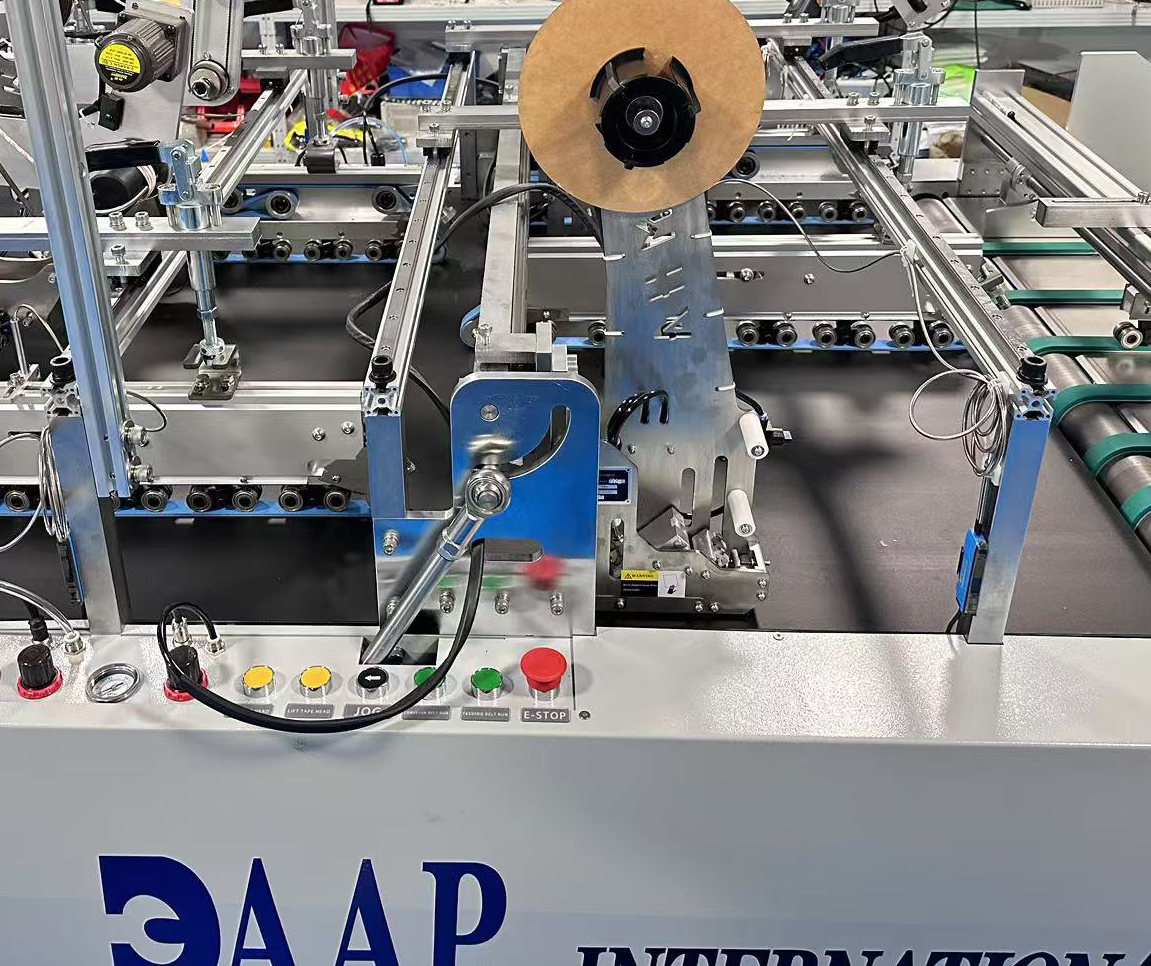
We engineered the DAAP DMHA-A800 fully automatic taping machine specifically to solve these baseline industry issues. We didn’t just want to build another tape applicator for electronics and packaging; we built it to be a reliable production benchmark.
The sensor and motor coordination is remarkably tight. This means consistent, precise application with minimal bubble risk, even on tricky substrates. We also heavily reinforced the frame and utilized high-grade, wear-resistant cutters so your consumables actually survive heavy industrial use. Crucially, it adjusts quickly across different tape widths and material thicknesses.
The Direct Manufacturer Advantage
Choosing a direct supplier isn't just about securing factory-direct pricing—though eliminating the middleman markup certainly helps your budget. It’s about getting equipment that actually fits your floor.
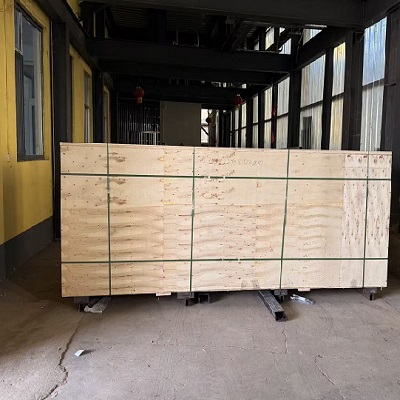
When you buy direct from us, you get tailored solutions. If you need those custom feeding boards for oversized materials, we design and build them. And we back every machine with strict Factory Acceptance Testing (FAT) before it ever leaves our facility.
Don't guess if a machine can handle your specific production run. Send us your substrate dimensions and tape specifications. Our engineering team will run the numbers and get back to you with a realistic ROI analysis and a customized equipment setup.
[Contact Us / Get a Free Quote]